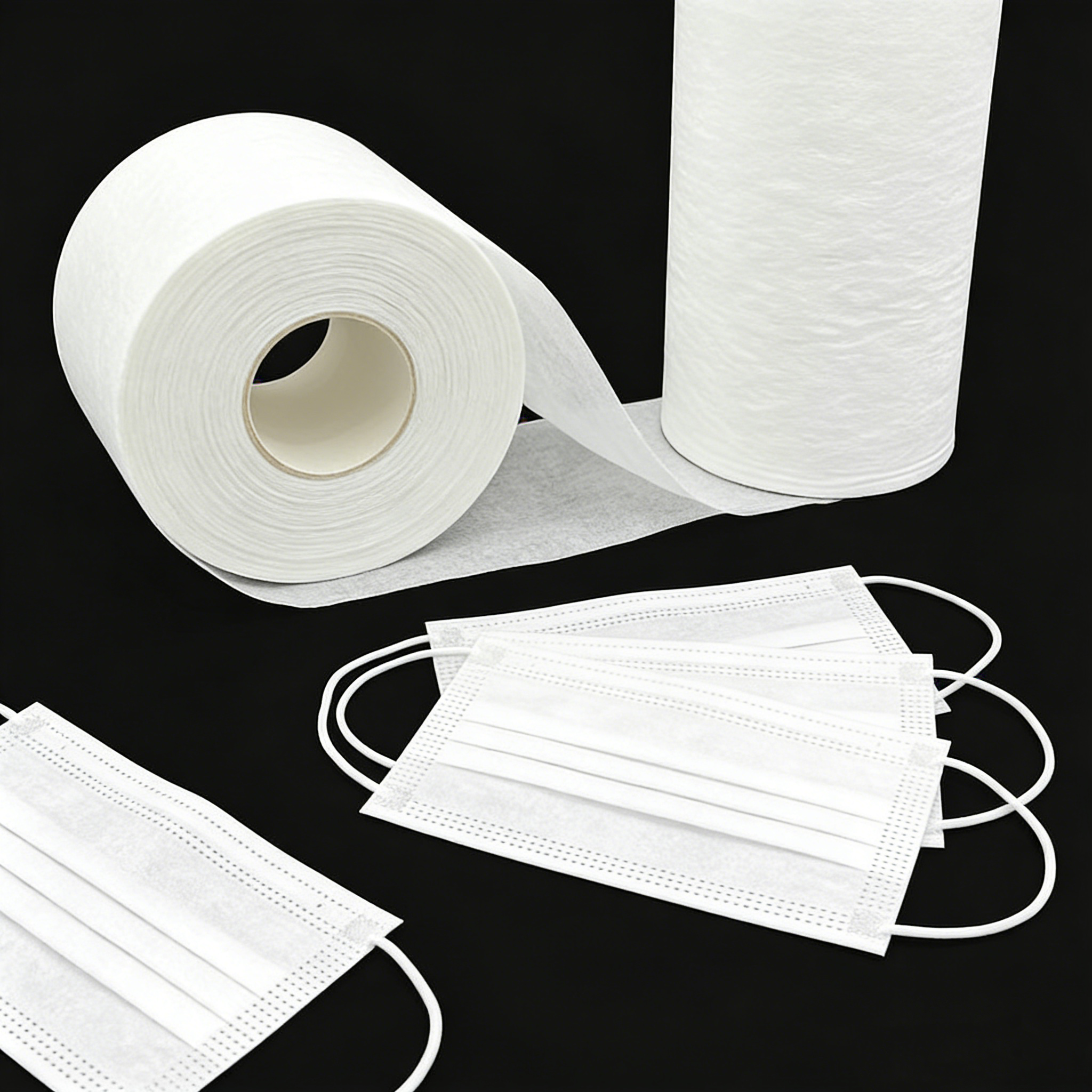
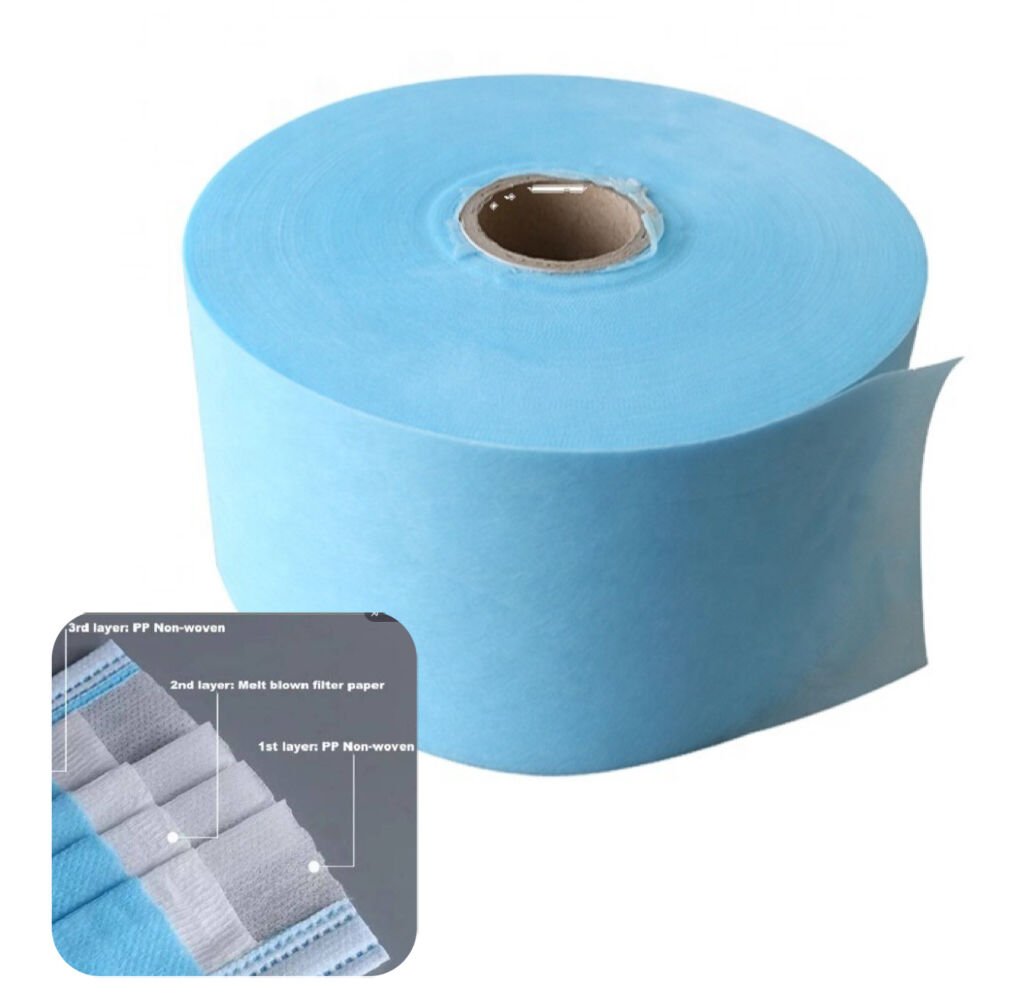
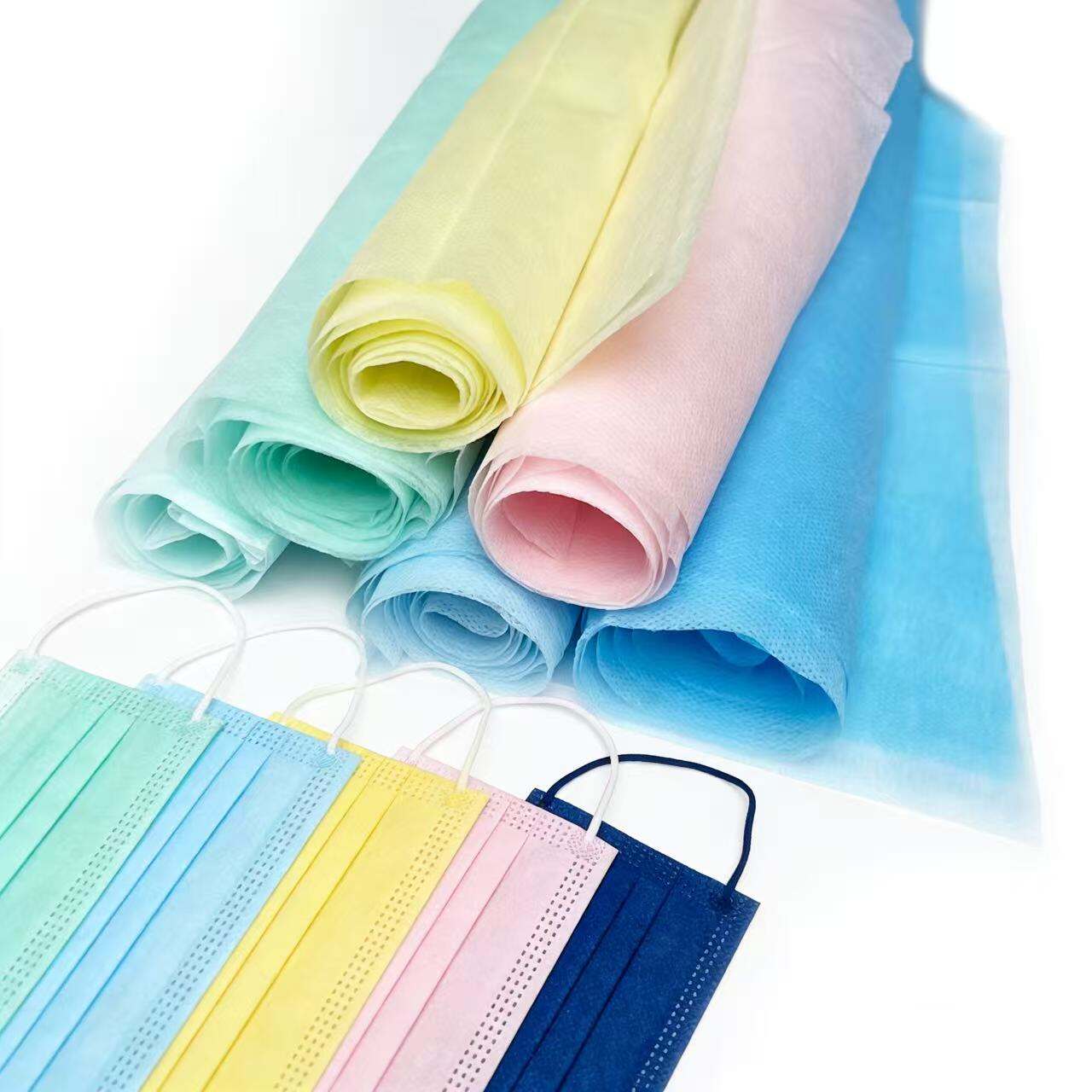
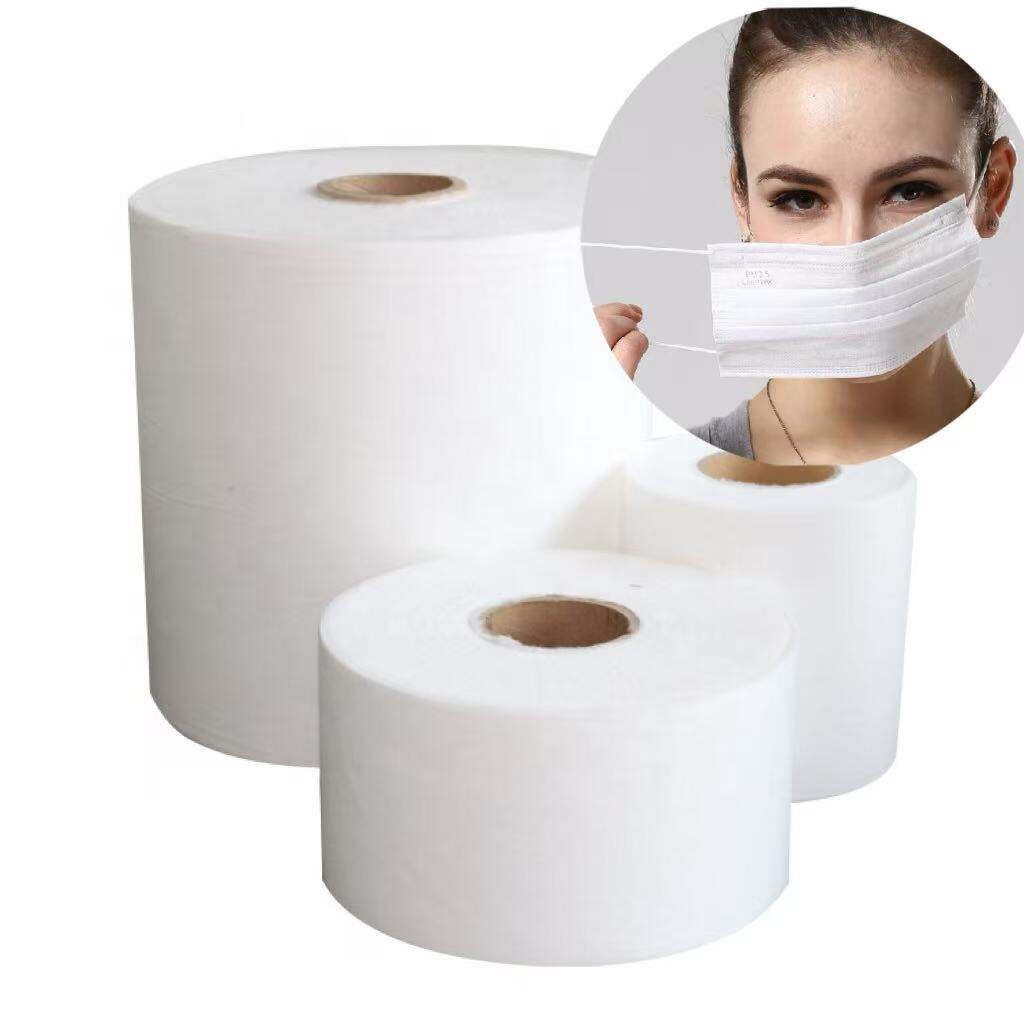
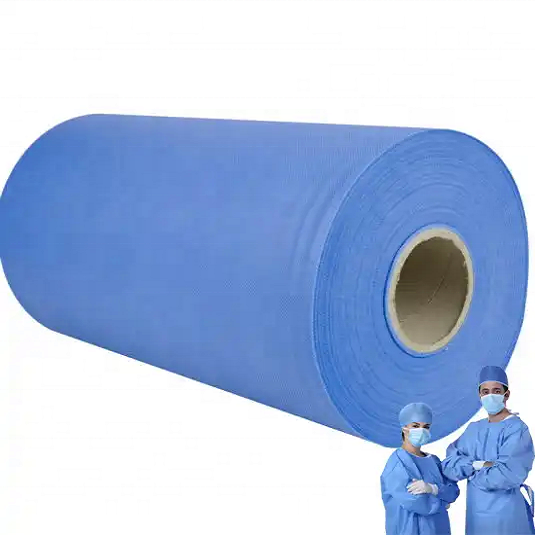
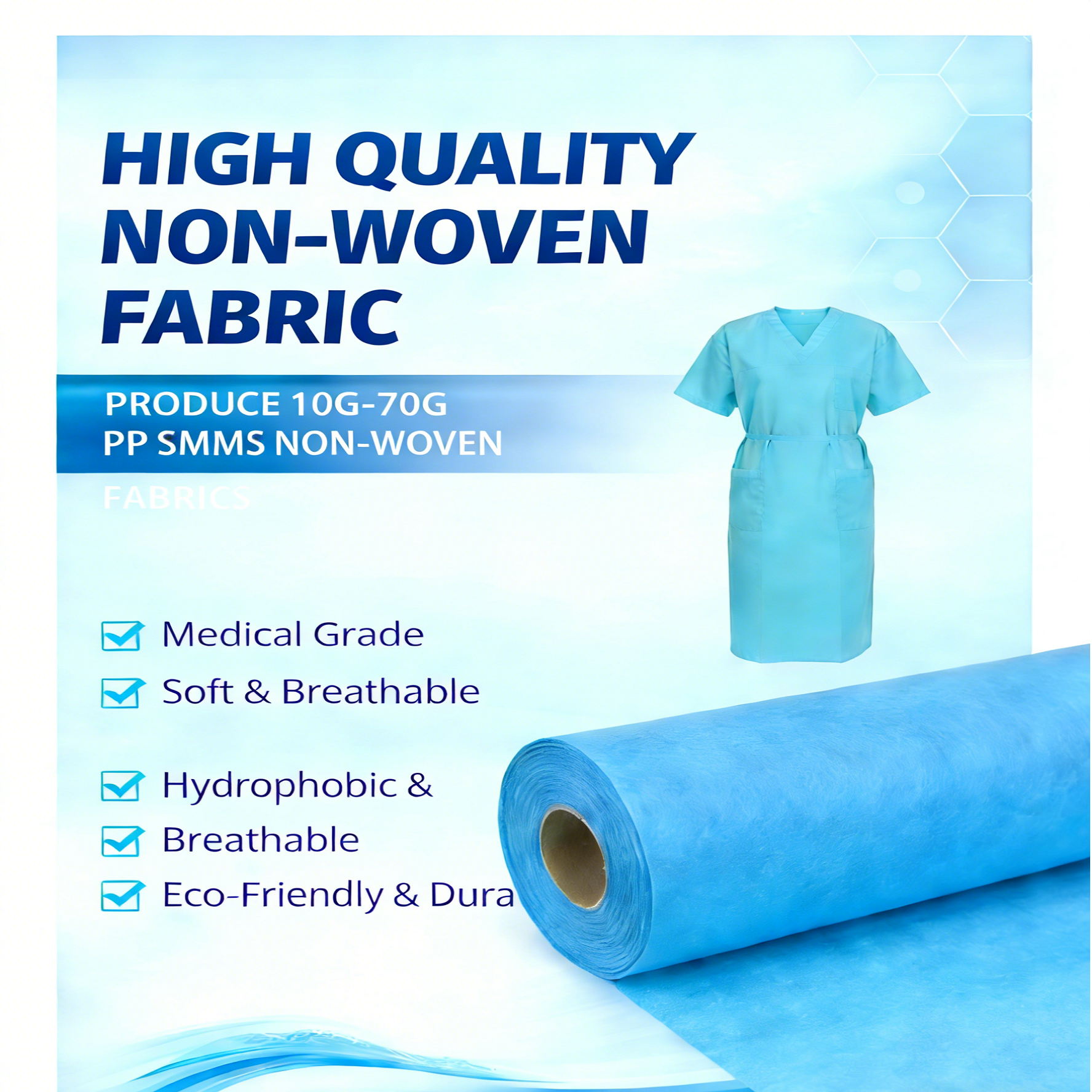
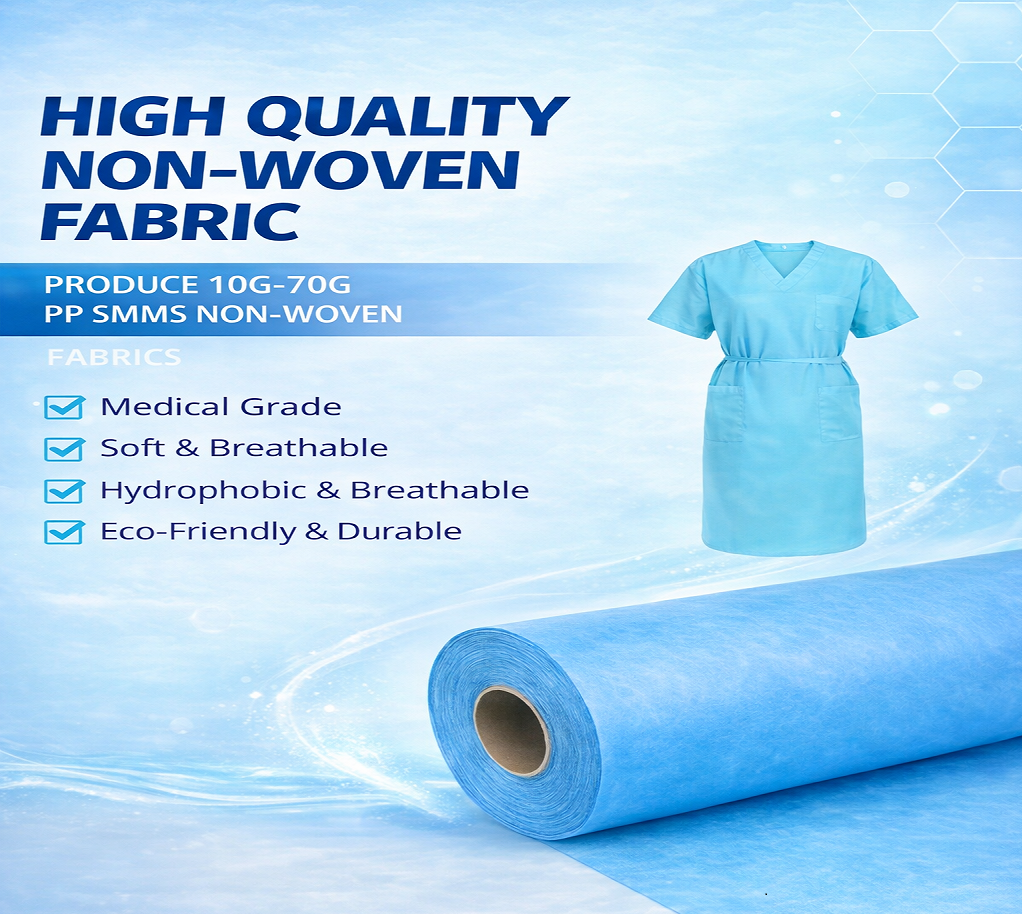
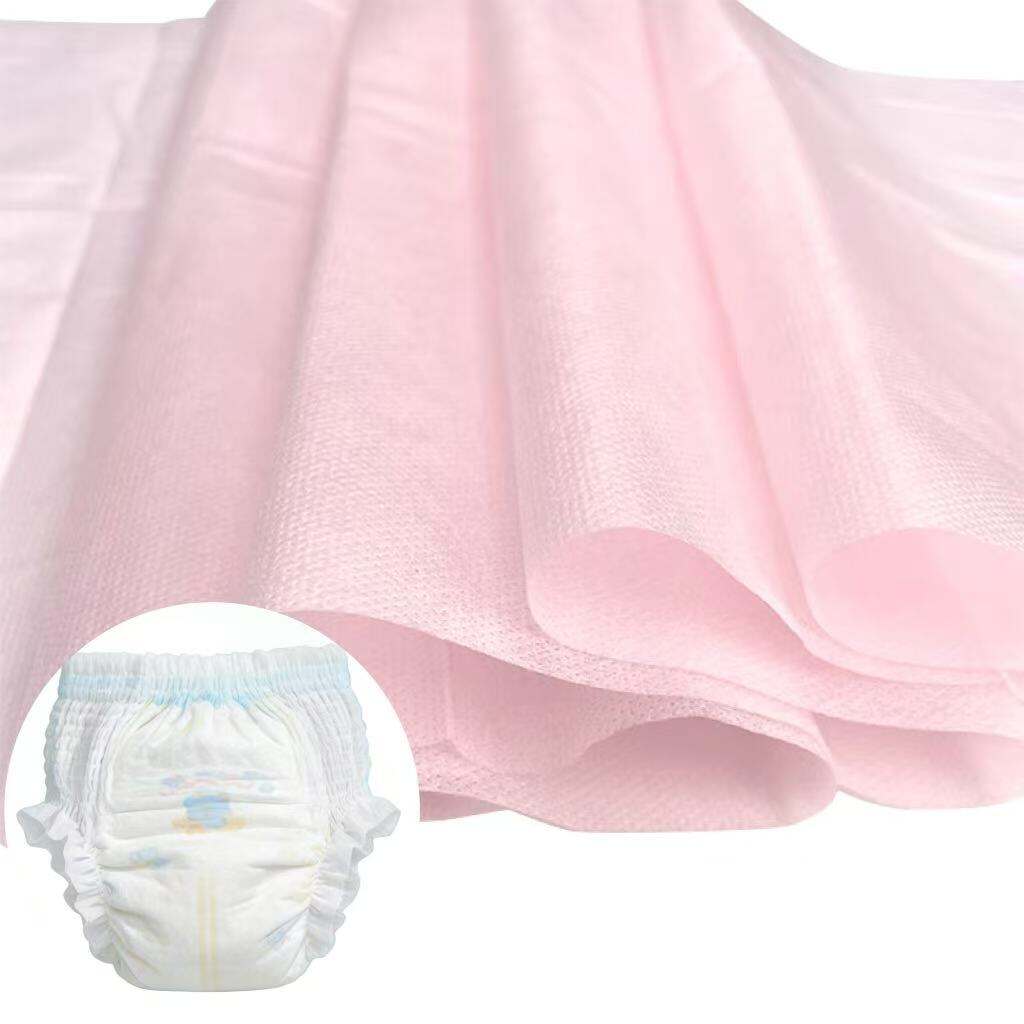
Nonwoven cloth is a common application in medicine, such as in surgical gowns. It is commonly used due to a variety of features that make it an excellent candidate for medical applications. These materials are lightweight with great breathability and also provide a barrier against fluid and contamination. Xingdi non-woven fabric has many series, like:- Nonwoven-Multi layer 3-layer and including N95 type filteringNonwoven-Single layer(-PPE suit protection)Nonwoven for medical use (Sterilization)-Enviromentable protection products-effective solution - to wear anyoneMany other unique materials that are suitable for the health care. SMMS Nonwoven Fabric For Protective Clothing
Nonwoven material for surgical gowns is also preferred because it can give a protective barrier while being comfortable to wear. Fabric of this type is comprised of fibers which are mechanically, chemically or thermally bonded together, resulting in a fabric with a high degree of integrity. Nonwoven fabric surgical gowns are comfortable and light weight compared to fabrics, which provides wearers with ease of movement during surgery. They are also breathable to protect medical professionals who are layering up and at risk of overheating from wearing them all day. The fluid repellent characteristics of nonwoven fabrics are an important part of surgical gown construction for protection against blood, body fluids, and other potential exposure sources.SSSS Nonwoven Fabric For Mask
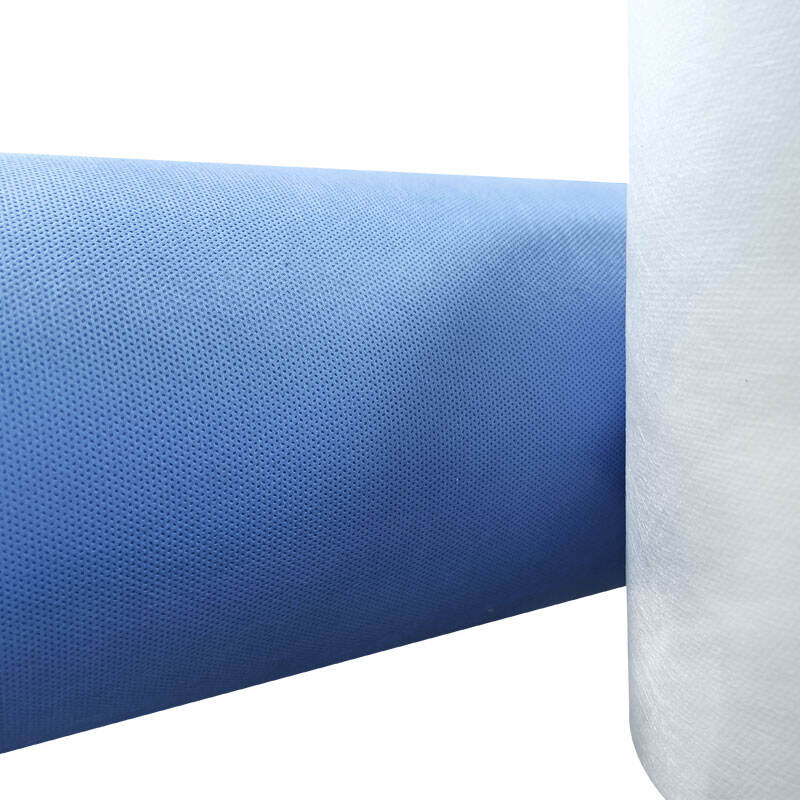
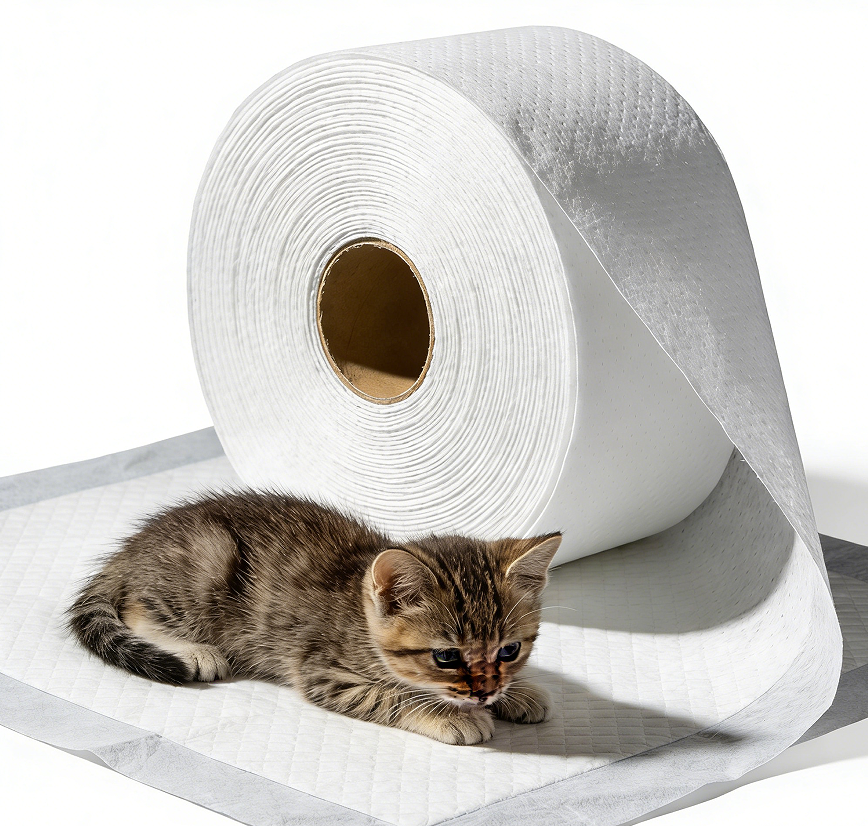
When choosing nonwoven fabric to be used in medicine, there are some important factors for any decision-maker to consider. To start, the fabric should be able to conform with required safety and regulatory standards for medical use. Xingdi has made its nonwovens in compliance with the regulations of the industry to provide maximum safety for healthcare facilities. Furthermore, it is important to select the most comfortable material you can wear for more than 8 hours, since medical professionals frequently spend extended periods of time in surgical gowns. Breathable nonwoven fabrics assist in controlling overheating or excessive sweating during procedures. Lastly the fluid resistance of the fabric is an important construct in medical environments to provide a dependable protection for liquids and contamination. Here we provide different types of nonwoven materials that are suitable for medical use.SSSS Nonwoven Fabric For Pet Pads
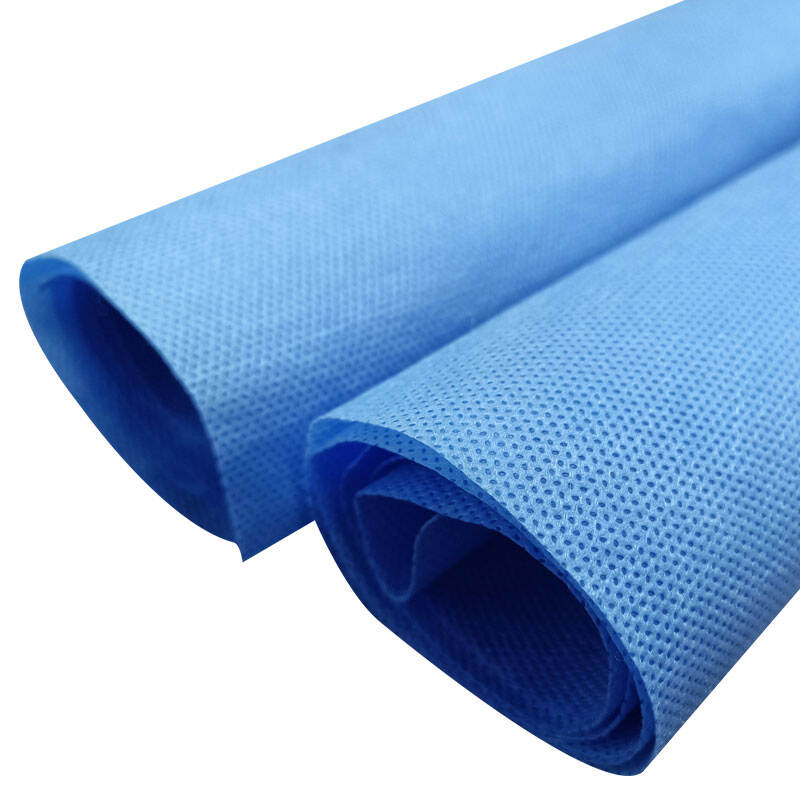
Xingdi non-woven fabric is widely used in the medical field. One common application is in surgical drapes and gowns. The fabric is breathable, light weight and very soft; Features : Low-linting, Excellent comfort with good sound attenuation, High resistance to fluid and particulate barrier for a wide range of procedures. It is also used in bandages and wound dressings for its gentle smoothness of the surface which aids in protecting sensitive skin from further aggravation. What’s more, non-woven fabric is a welcome aid for face masks and caps that keep germs from spreading in the hospital to protect patients and medical staff members.SSSS SMMS Nonwoven Fabric For Baby Diapers
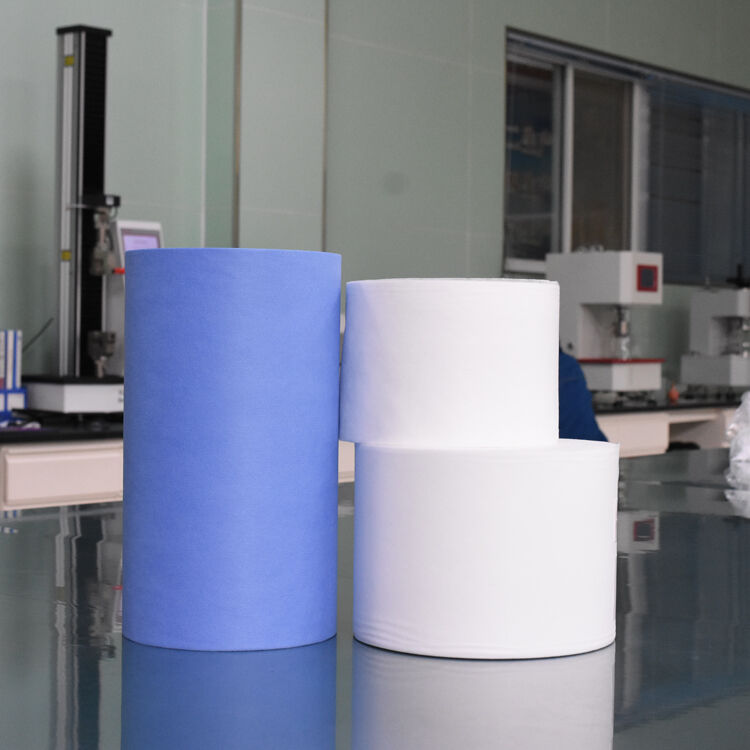
There are sevaral reasons why nonwoven fabric is the preferred material for medical drapes. First, it’s incredibly good at blocking — resistance to liquids, bacteria and for everything else. This keeps the surgery site clean and removes any added risk of infection. Furthermore, nonwoven fabric is soft and comfortable to touch which enables the use with patient's skin. Its light weight also provides freedom of movement during surgery. Also, it is cheap and disposable making it a nice alternative for medical uses.
Our quality control is supported by in‑line monitoring instruments and precision testing equipment—including fiber‑size analyzers, electronic water‑penetration meters, strength testers, and wear testers—ensuring every batch meets stringent performance and consistency standards.
As a recognized provincial high‑tech enterprise, we focus on medium‑to‑high‑end PP spunmelt non‑wovens, utilizing Japanese‑sourced spinnerets and German calendering technology to produce premium‑grade SS, SMS, SMMS, and multi‑layer fabrics.
In 2021, we launched a new 3.2‑meter SSSS production line with an annual capacity of 12,000 tons, enabling the manufacture of ultra‑fine, multi‑layer fabrics tailored for high‑end sanitary, medical, and hygiene applications.
With over 12 years of industry experience, our facility spans 20,000 square meters, operates 8 advanced production lines, and achieves an annual output exceeding 96,000 tons—providing robust supply capabilities for high‑volume orders.

Copyright © Shandong Xingdi New Material Co.,Ltd All Rights Reserved
 EN
EN