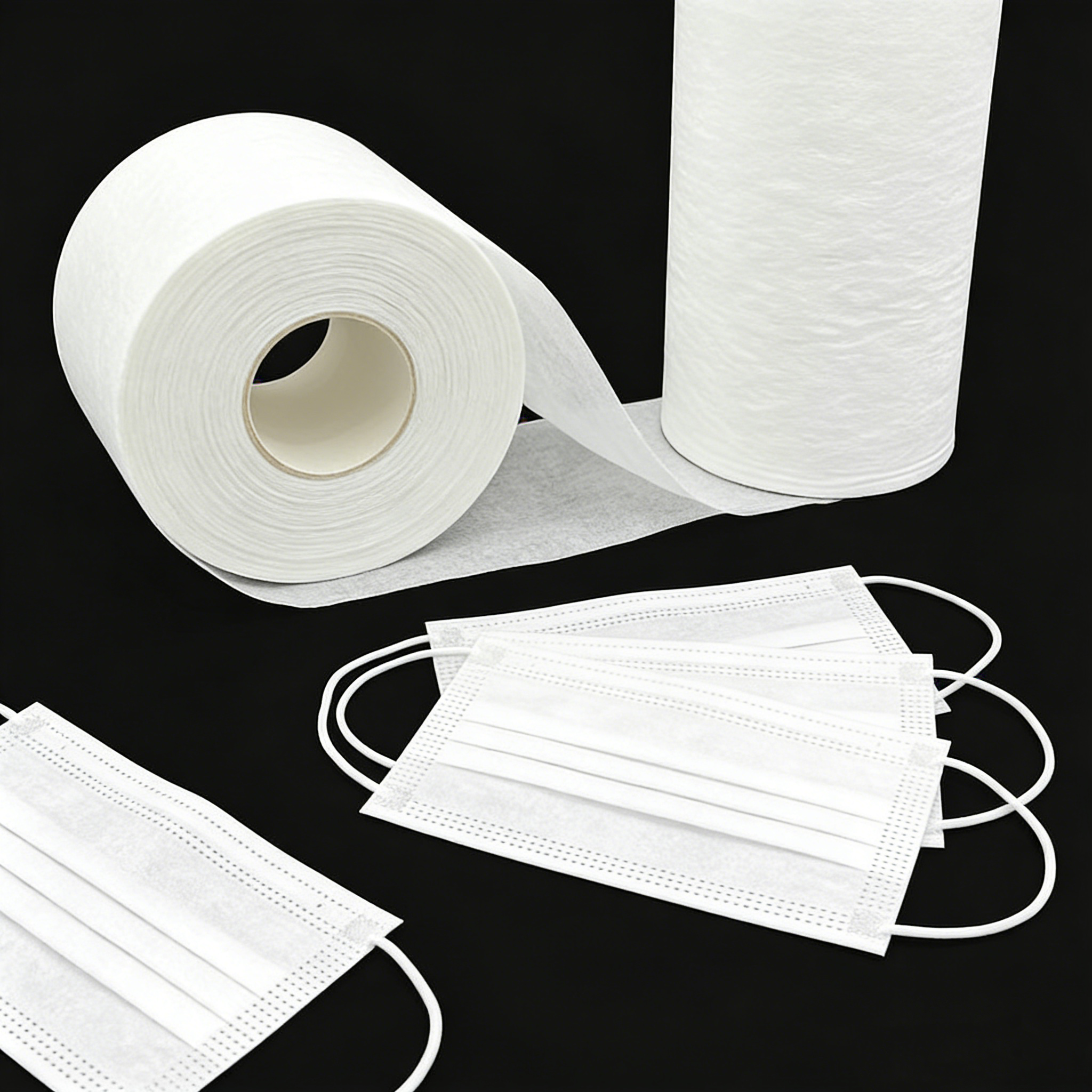
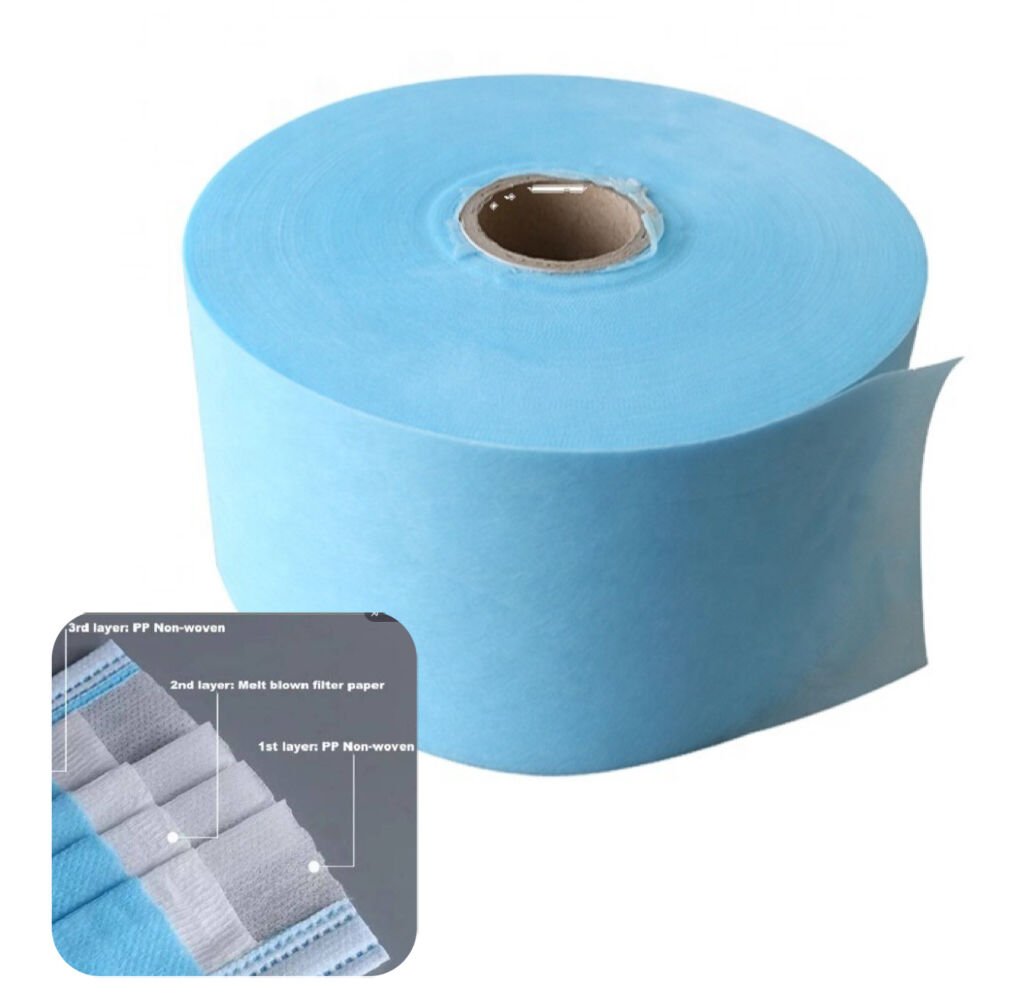
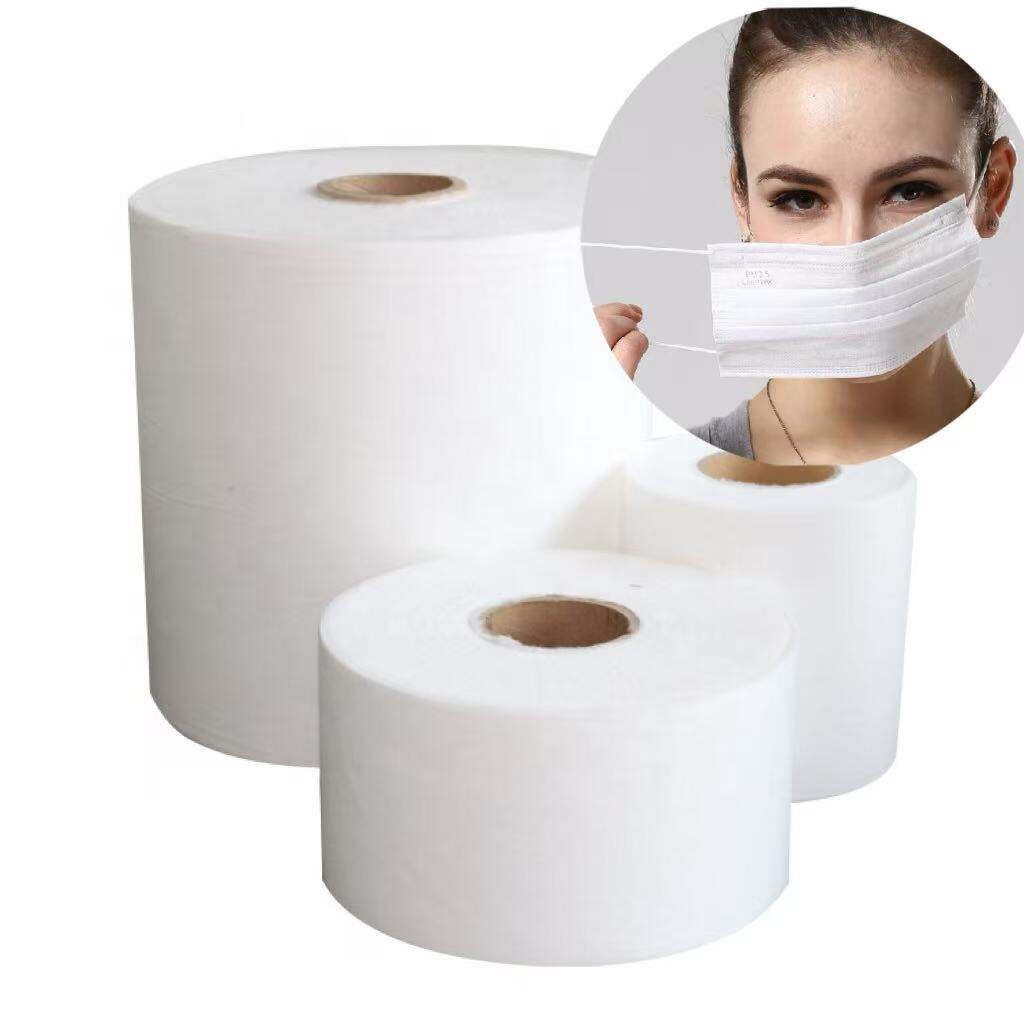
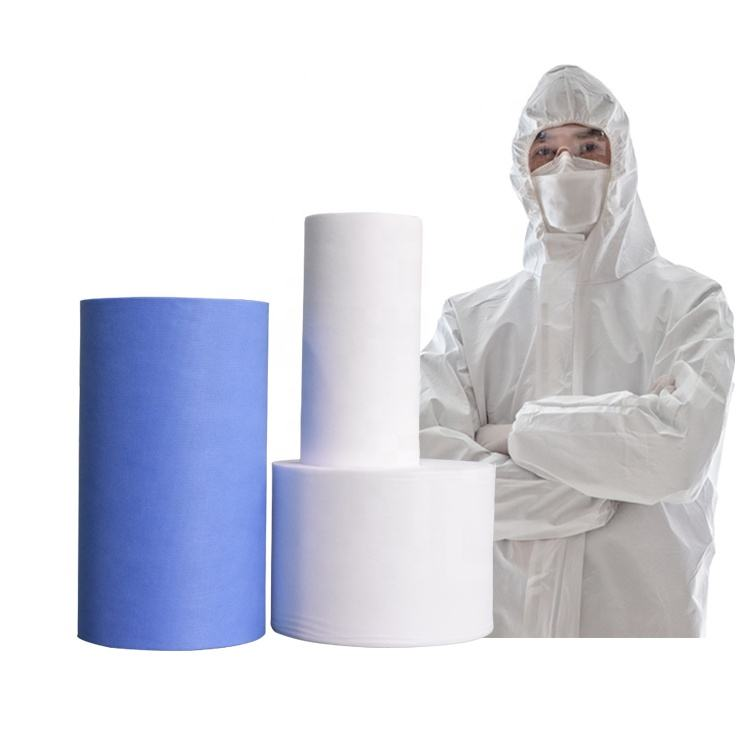
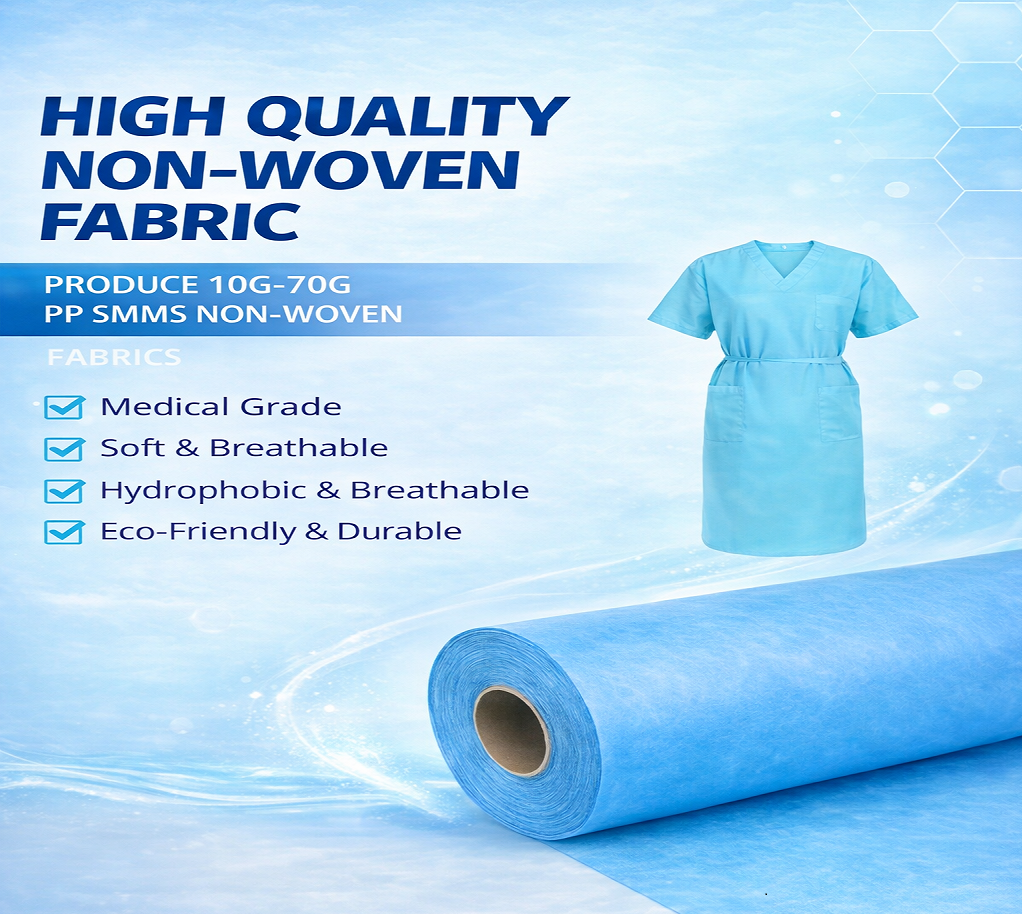
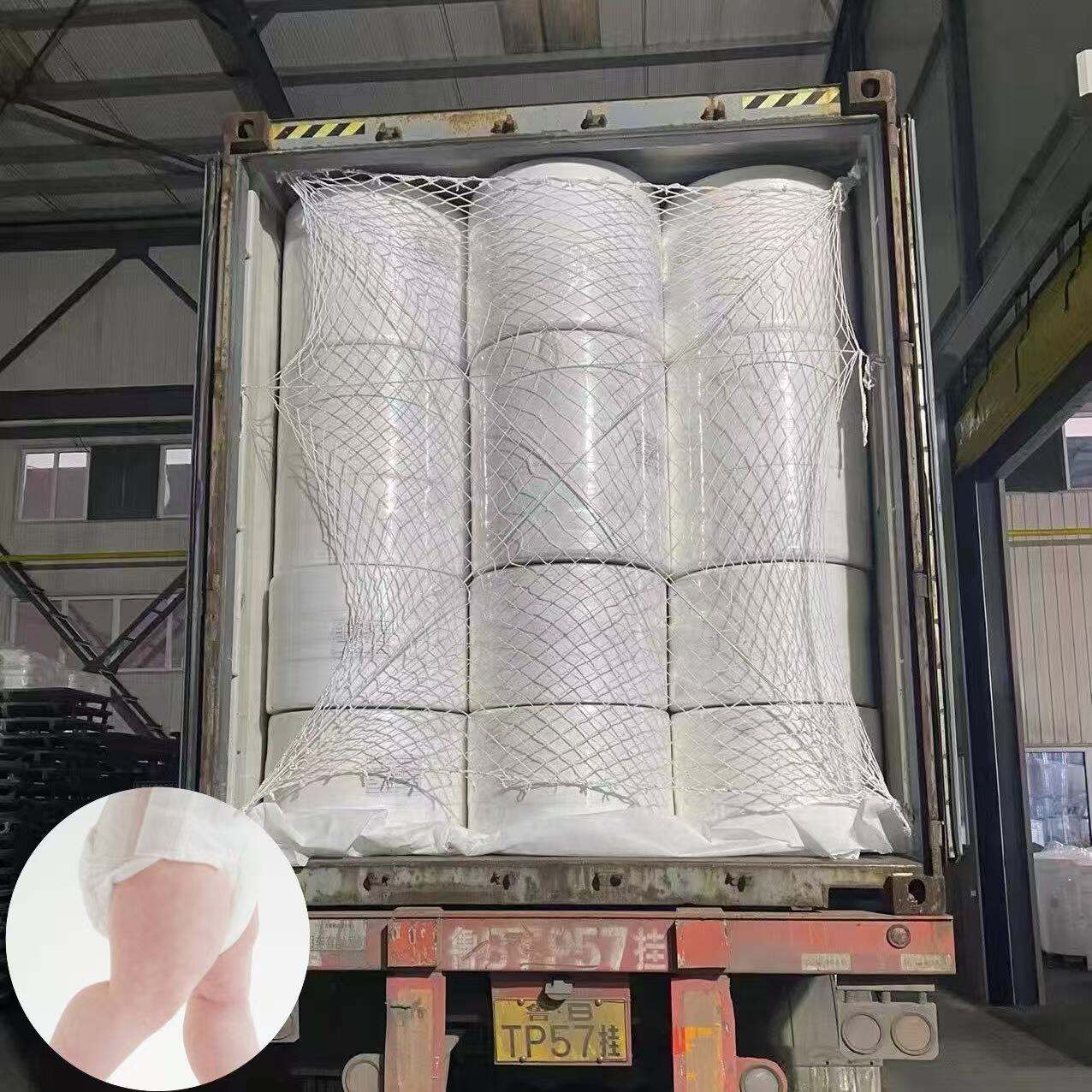
Nonwoven fabric is indeed a distinctive material with many advantages when it comes to making facemasks. One of the most beneficial properties of nonwoven fabrics is good filtration capabilities. It efficiently filters particles due to the structure of its fabric and is therefore suitable for protective facemasks. Moreover, nonwoven fabrics are lightwei ght and air permeable so the user will be comfortable to have it on for a long time.</p>
Another good thing to note is that nonwoven fabric for facemasks not only has certain advantages but it’s also a very durable material. Non-woven fabric is strong and durable, meaning you can use it for long lasting facemasks. This durability means the mask will continue to maintain its effectiveness after several washes and use. Non-woven fabric is also simple to use and can be fashioned in any way the manufacturer needs in order to fit many different styles or size fit facemasks.
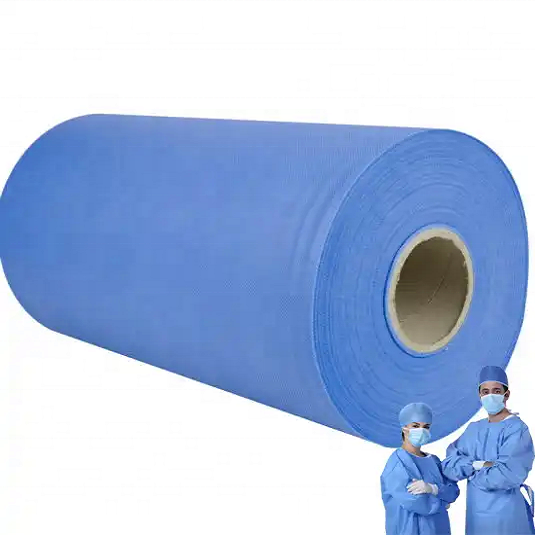
Xingdi can provide you with disposable nonwoven fabric for facemask in different width, color and origin. UNIQUE Our nonwovens are produced in various weights, colors and compositions to bring you the exact options you need for your applications. Whether you’re looking for a light and comfortable fabric to use as a disposable facemask, or searching for a thicker and more durable material for creating sample-sized masks that are reusable through about 20 washings, we’ve got what you need!
Our wholesale nonwoven fabrics feature high filtration and breathability while keeping you cool. We understand how vital high-quality facemasks are for people when it comes to protection and thus we made sure to only provide the best nonwoven fabrics in the industry. Quality The facemask fabric made by Xingdi is featured with good breathability, high filtering efficiency, and great strength.
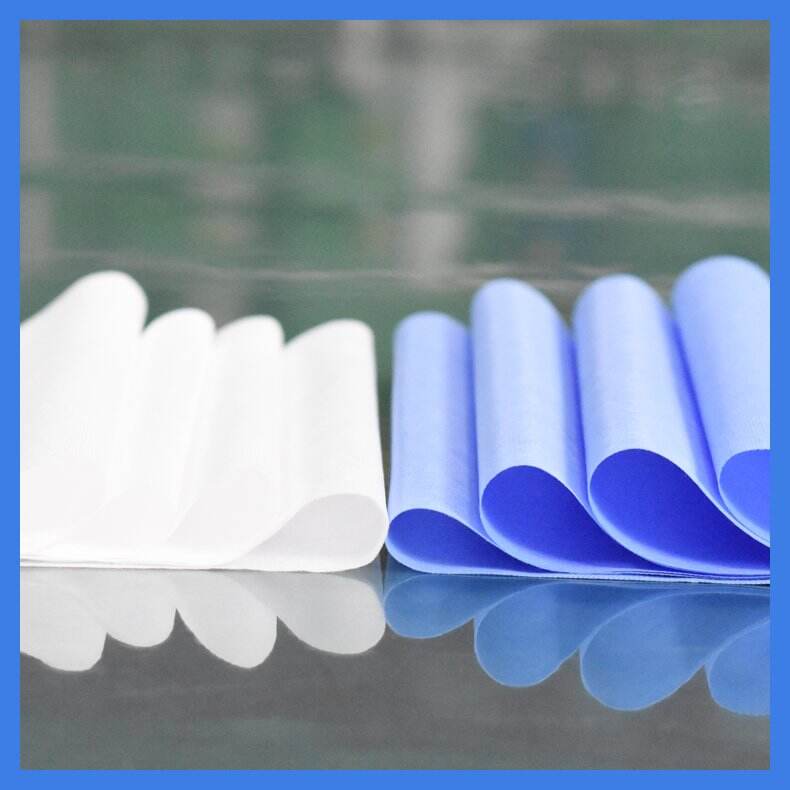
The nonwoven fabric is a comfortable and silky soft material that is ideal for use in making facemasks because of its ability to filter out airborne particulates, Non-woven is perfect mask-making cloth. Xingdi has been making wholesale nonwoven facemask fabrics with decades of experinece in nonwoven faic sector. Whether you are looking for supplies to make face masks either for personal use or to donate, we have the special materials and accessories you need. Sherpa Nonwovens by Xingdi--Choose a top quality selection of nonwoven fabric products for our facemask solutions for your business.
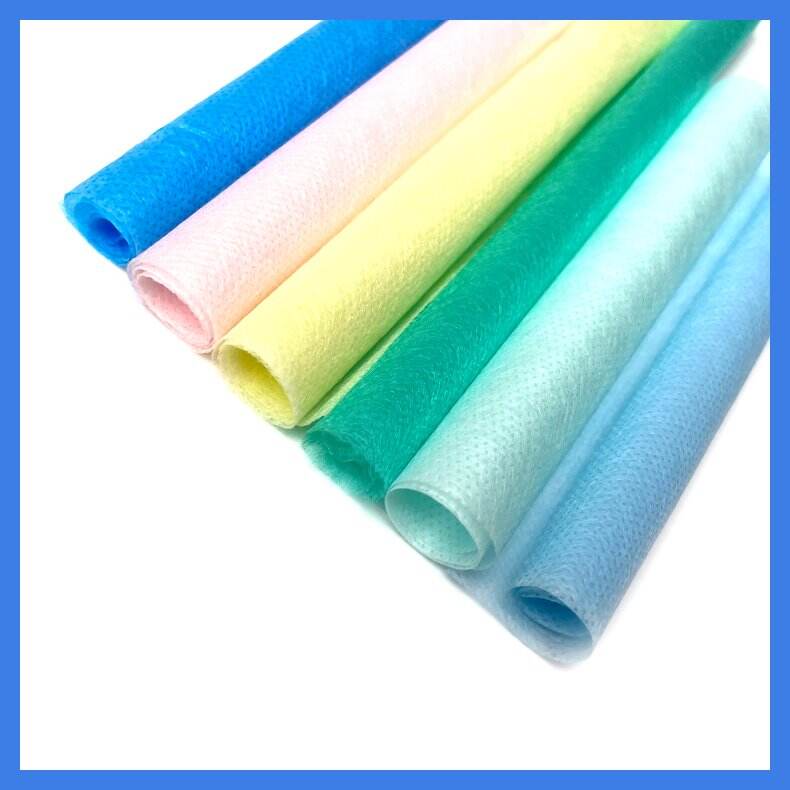
But there are also a few downsides to using nonwoven fabric for masks. One potential challenge is that nonwoven fabric may become more expensive than cloth (it would also make it more difficult for manufacturers to create low-priced face masks). Another drawback is that nonwoven fabric may be harder to handle since it does not stretch like regular fabric.
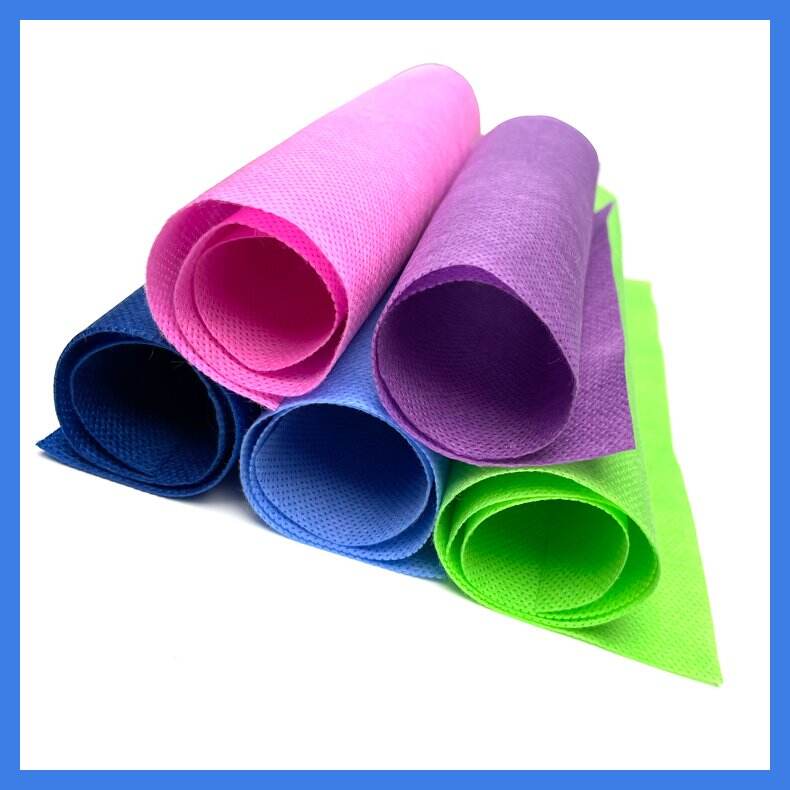
One frequently asked question is whether nonwoven fabric for facemasks can be recyclable. And the answer is, it depends on what nonwoven fabric you are using. Certain forms of nonwoven fabric can be recycled while others cannot. For manufacturers of facemasks, it is important to think about their negative effect on the environment and use materials that are recyclable.
As a recognized provincial high‑tech enterprise, we focus on medium‑to‑high‑end PP spunmelt non‑wovens, utilizing Japanese‑sourced spinnerets and German calendering technology to produce premium‑grade SS, SMS, SMMS, and multi‑layer fabrics.
With over 12 years of industry experience, our facility spans 20,000 square meters, operates 8 advanced production lines, and achieves an annual output exceeding 96,000 tons—providing robust supply capabilities for high‑volume orders.
Our quality control is supported by in‑line monitoring instruments and precision testing equipment—including fiber‑size analyzers, electronic water‑penetration meters, strength testers, and wear testers—ensuring every batch meets stringent performance and consistency standards.
In 2021, we launched a new 3.2‑meter SSSS production line with an annual capacity of 12,000 tons, enabling the manufacture of ultra‑fine, multi‑layer fabrics tailored for high‑end sanitary, medical, and hygiene applications.

Copyright © Shandong Xingdi New Material Co.,Ltd All Rights Reserved
 EN
EN