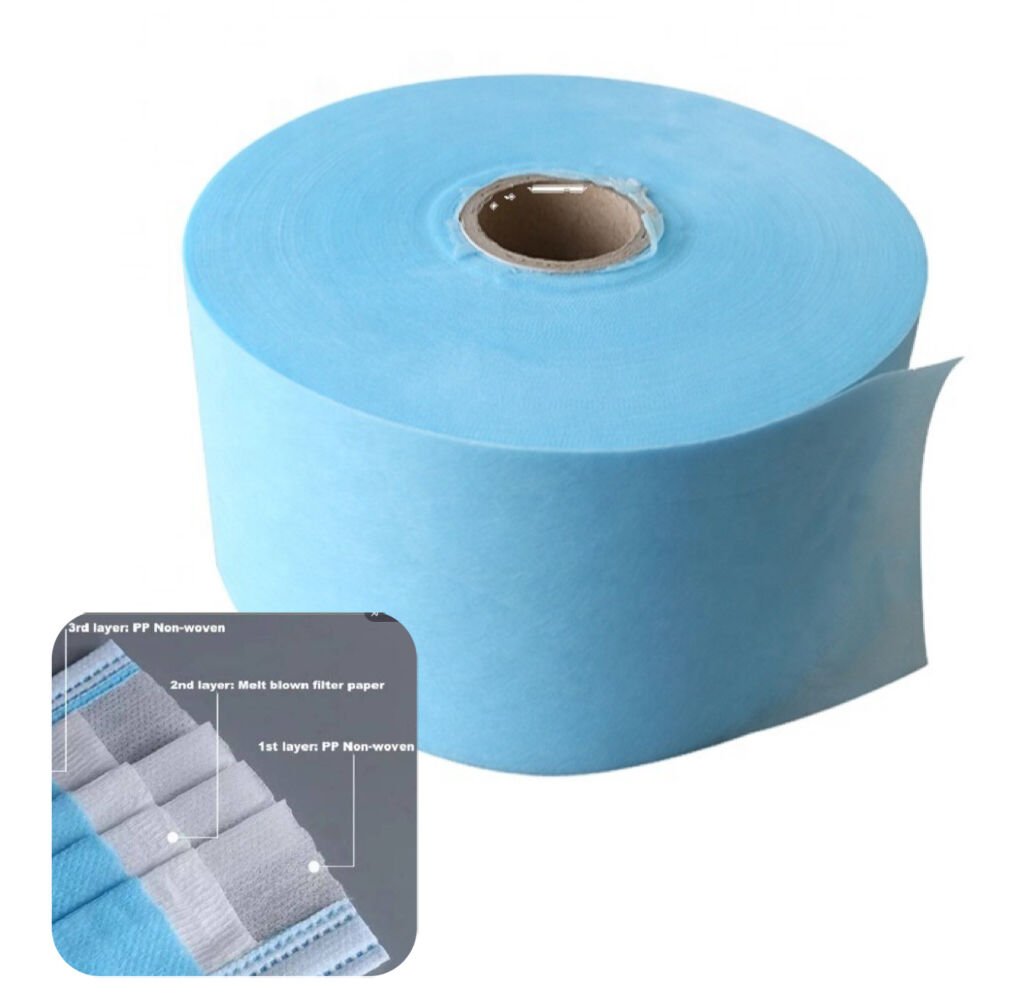
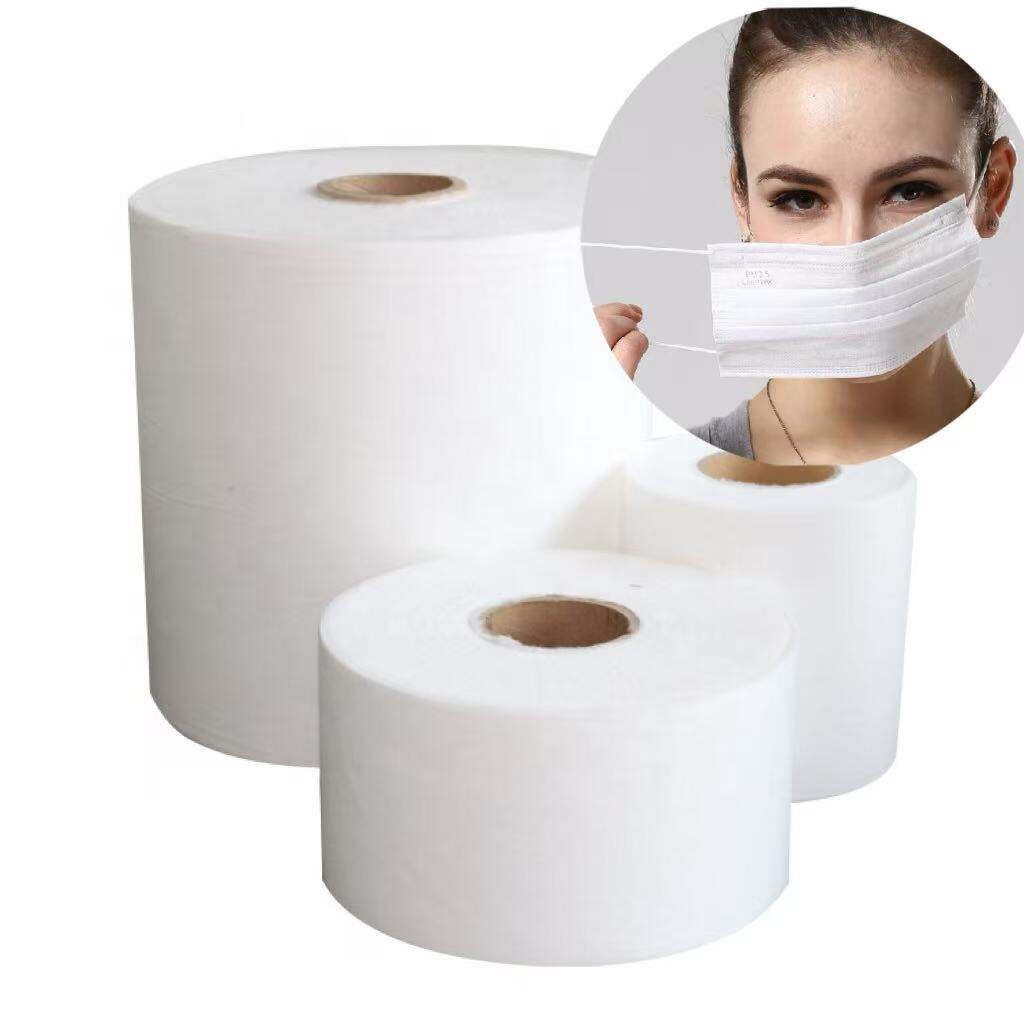
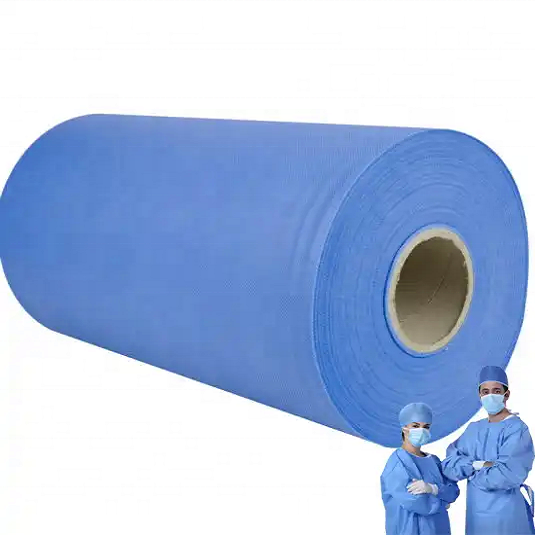
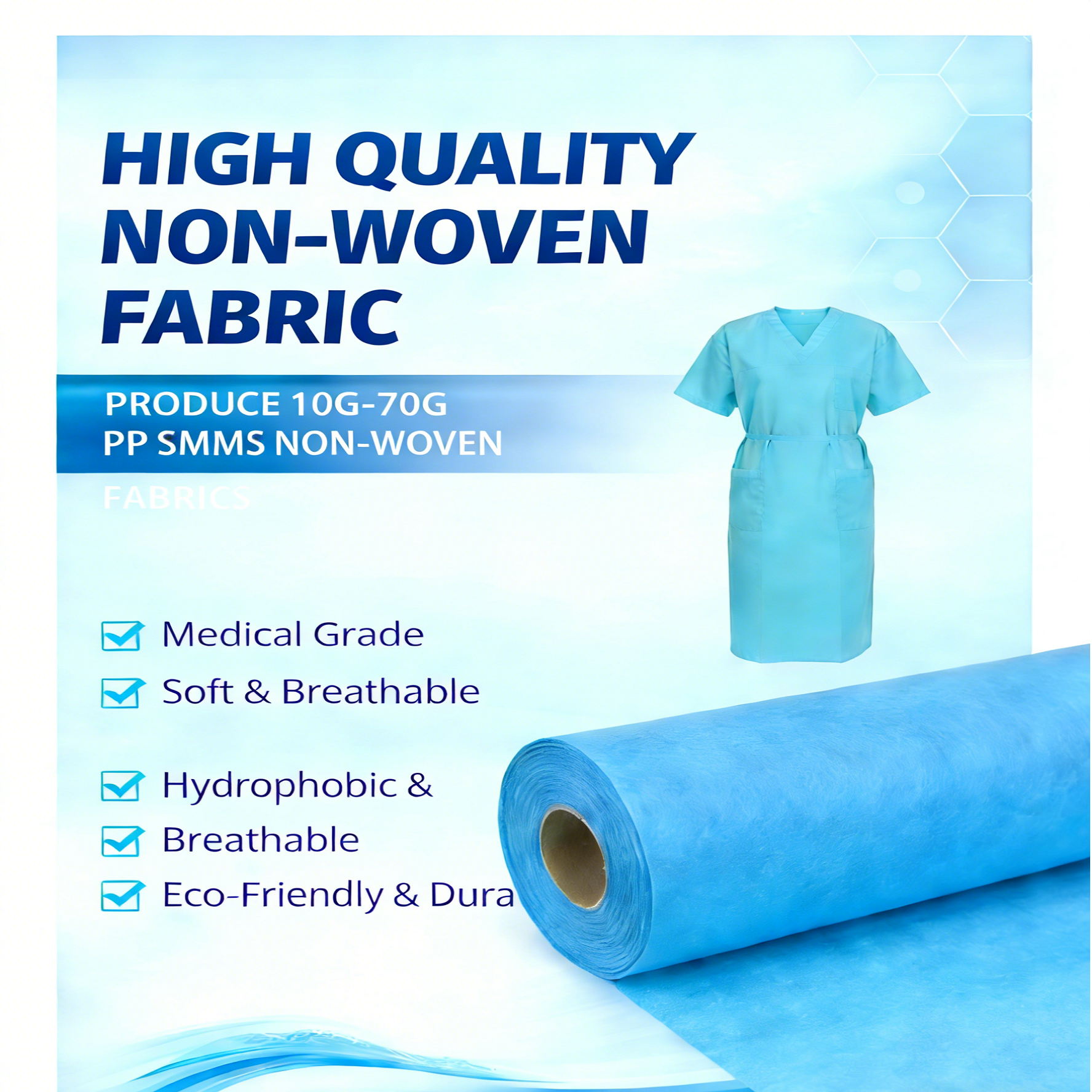
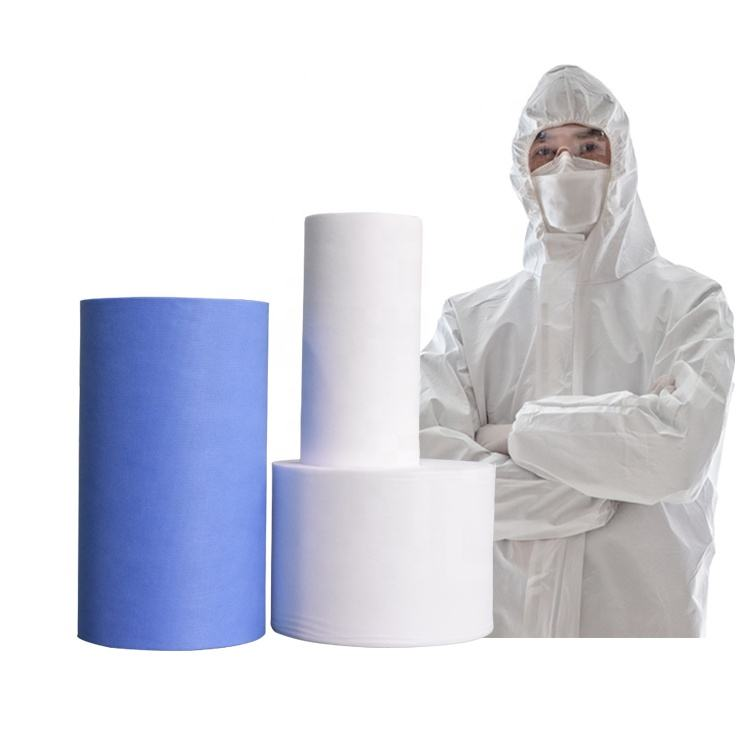
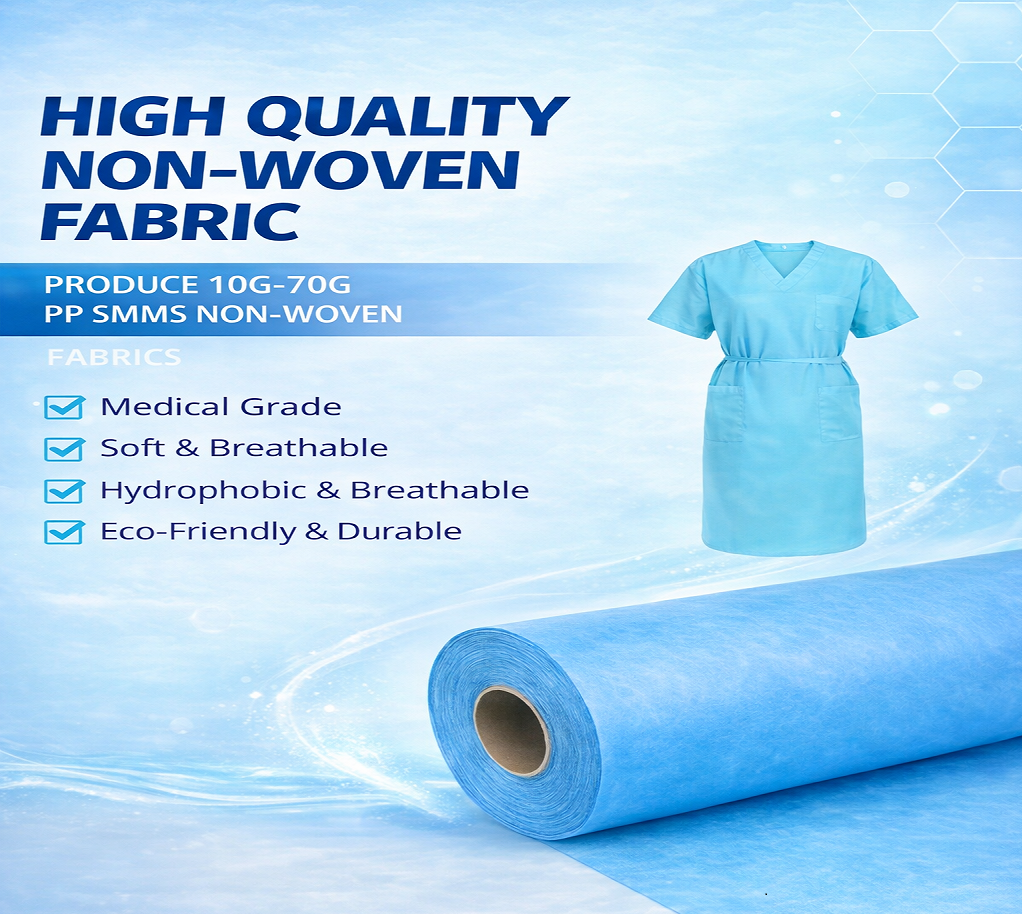
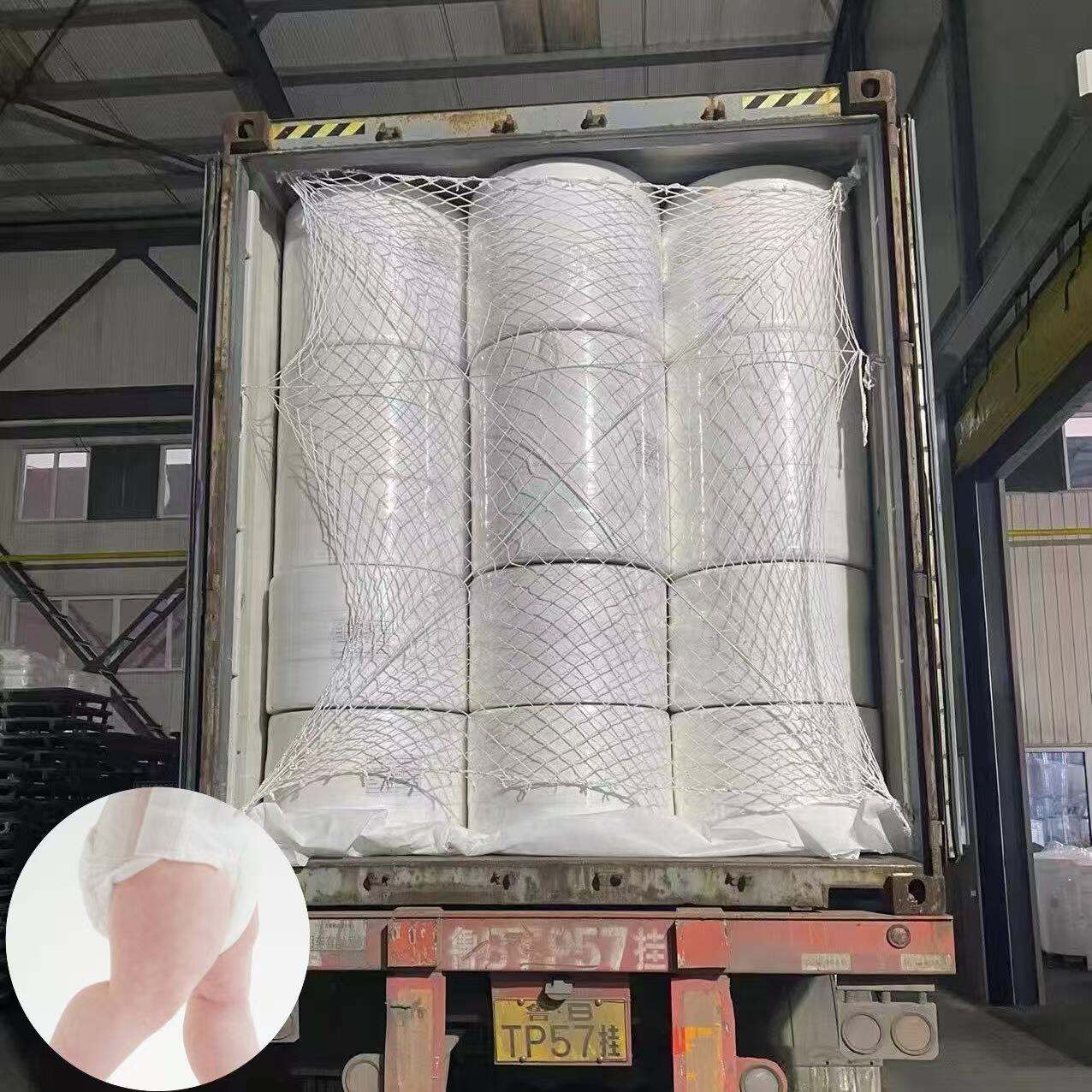
Biodegradable non woven material is an eco-friendly material which can be broken down in the natural environment. There is an eco-friendly option suitable for agricultural use and wholesale distribution!
For applications in agriculture, biodegradable non woven fabric is a game changer. Farmers can cover crops with this material to control the same, protect them from the extreme weather or other damaging elements. It permits air and water to penetrate for nourishment while protecting plants, enabling them to grow. This could potentially increase crop yield while decreasing the use of toxic chemical pesticides. Also, biodegradable non woven fabric has the functions of thermal insulation even if it is used for mulch to keep the soil moist and warm, resulting in healthy plant growth. This fabric can also be employed by farmers to form protective chambers for young plants that will protect them from pests and extreme temperatures. As a whole, biodegradable non woven fabric is a solution to agriculture that adheres to an environmental conservation approach.
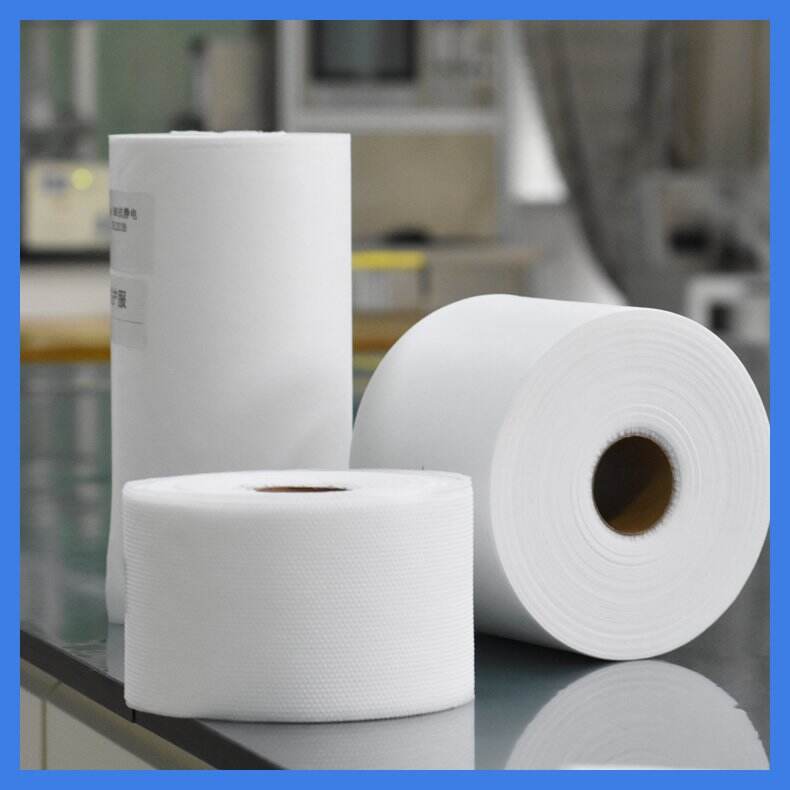
For businesses who want to buy biodegradable non woven fabric in bulk there are numerous wholesale opportunities out on the market. This material is offered by the aggregate suppliers, either in various grades or sizes tailored to the customer’s requirements. Whether you need biodegradable non woven fabric for agricultural, medical, or packaging use, you will find the suppliers to suit your needs. A few distributors from whom you can source the EcoSnap may even give it some discount if you are procuring in bulk, so it may just be an economical option for businesses interested to use sustainable resources. Regardless of where you get it from, make sure to investigate a few different suppliers and ask them about certifications – so that you can be confident the biodegradable non woven fabric you’re picking up for your next project is up to snuff. When you decide to procure this green material wholesale, your business can directly support a more environmentally-friendly supply chain and still satisfy production needs.
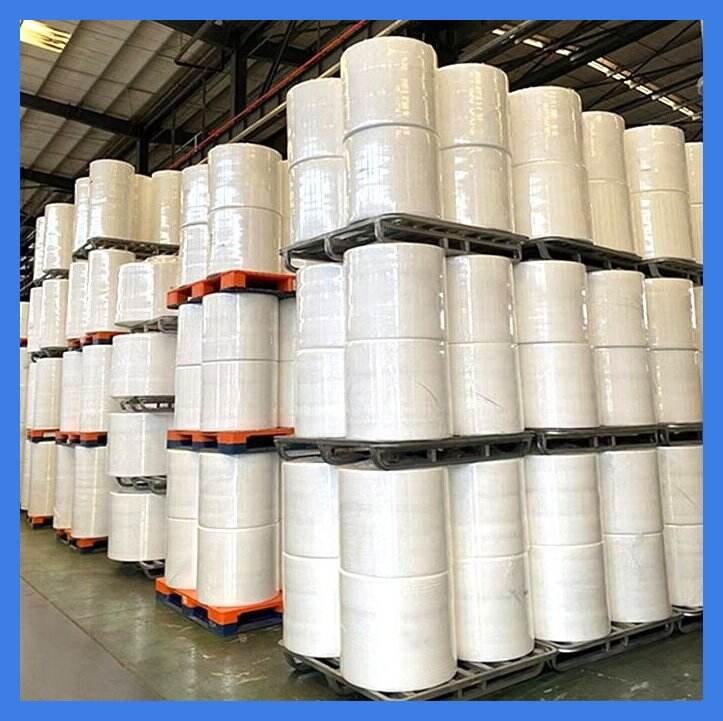
Our Xingdi biodegradable non woven fabric is the suitable for disposable products due to its eco-friendly. Unlike typical plastics which will take hundreds of years to break down, biodegradable non woven fabric will break down at a much faster rate and help contribute to the geloteknogyl of our landfills. This makes it an eco-friendly solution for businesses to reduce their environmental footprint. Moreover, our biodegradable nonwovens are produced from natural resources, thus reducing reliance on harmful chemicals!
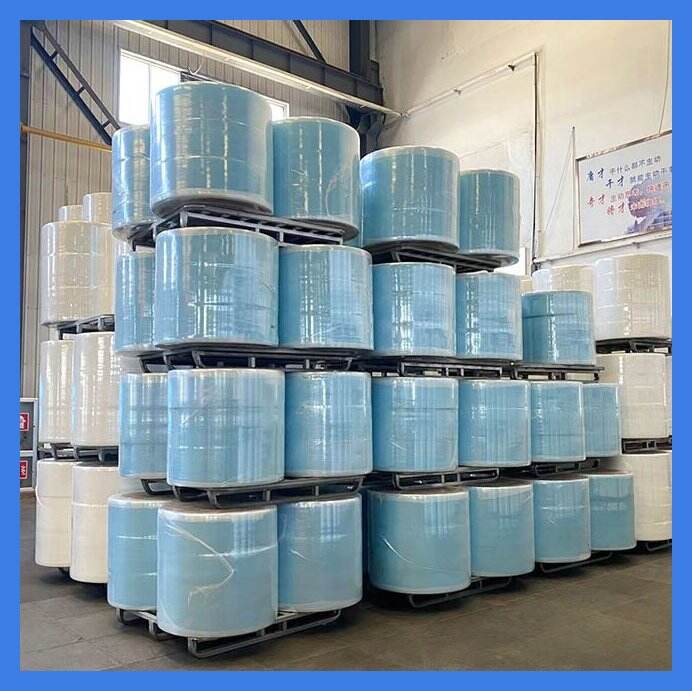
The bad news in this most bio friendly non woven fabric is that it tends to fall apart easily. Some of the biodegradable materials can have less staying power than traditional plastics, so they may tear or rip. To address this Xingdi develop excellent quality of biodegradable non woven fabric and tested for strength and robustness. The other aspect to consider is the proper way of disposing biodegradable non woven fabric. Consumers need to be informed on how to dispose of the textile accordingly so it decomposes well in composting facilities.
With over 12 years of industry experience, our facility spans 20,000 square meters, operates 8 advanced production lines, and achieves an annual output exceeding 96,000 tons—providing robust supply capabilities for high‑volume orders.
In 2021, we launched a new 3.2‑meter SSSS production line with an annual capacity of 12,000 tons, enabling the manufacture of ultra‑fine, multi‑layer fabrics tailored for high‑end sanitary, medical, and hygiene applications.
As a recognized provincial high‑tech enterprise, we focus on medium‑to‑high‑end PP spunmelt non‑wovens, utilizing Japanese‑sourced spinnerets and German calendering technology to produce premium‑grade SS, SMS, SMMS, and multi‑layer fabrics.
Our quality control is supported by in‑line monitoring instruments and precision testing equipment—including fiber‑size analyzers, electronic water‑penetration meters, strength testers, and wear testers—ensuring every batch meets stringent performance and consistency standards.
Copyright © Shandong Xingdi New Material Co.,Ltd All Rights Reserved
 EN
EN