
 EN
EN
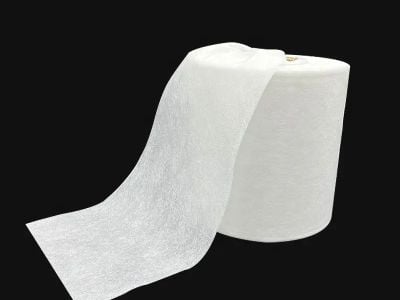
When talking about nonwoven materials, there are two main types: hydrophobic and hydrophilic. These terms can sound complicated, but they simply tell us how these materials react to water. Hydrophobic nonwoven materials repel water, while hydrophilic ones attract it. This difference is important, especially in industries like healthcare, filtration, and construction. For example, a hydrophobic fabric will keep things dry, while a hydrophilic nonwoven fabric can absorb liquids. At Xingdi, we focus on creating high-quality nonwoven materials that meet the needs of various industries. Understanding the differences between these two types can help businesses choose the right material for their specific needs.
How to Choose Between Hydrophobic and Hydrophilic Nonwoven Materials for Industrial Applications?
Choosing between hydrophobic and hydrophilic nonwoven materials depends on what a company needs. If a business needs a material that can keep water out, like in certain types of packaging or outdoor gear, hydrophobic materials are the best choice. They are great for making items that will be used in wet environments. For instance, when making protective clothing for workers who are in rainy conditions, using hydrophobic nonwoven fabric will help keep them dry. On the other hand, if a company needs a material that absorbs moisture, hydrophilic is the way to go. Think about medical supplies like absorbent pads or wipes. These items need to soak up liquids quickly, making hydrophilic materials essential.
When deciding, it’s also good to think about the environment where the material will be used. For example, in a hospital, using hydrophilic materials for bandages is important because they need to absorb blood or other fluids. In contrast, outdoor gear manufacturers may prefer hydrophobic materials to keep their products waterproof. Another thing to consider is the cost and availability of materials. Some hydrophobic materials can be more expensive than hydrophilic non woven ones. It’s crucial to balance quality and price. At Xingdi, we offer a range of both materials to help businesses find the right fit. We want to support our customers in making smarter choices that suit their needs.
How Hydrophobic Nonwoven Fabrics Enhance Performance in Industrial Settings?
Hydrophobic nonwoven fabrics have many advantages that make them valuable in industrial settings. One major benefit is their ability to keep products dry. This is especially important in industries like construction or agriculture, where materials can easily get wet. For example, in construction, using hydrophilic spunbond fabrics for protective covers can keep tools and materials safe from rain. This helps prevent damage and keeps projects on track.
Another important aspect is durability. Hydrophobic nonwoven fabrics are often more resistant to wear and tear. This means they last longer, which is great for companies looking to save money in the long run. If a company uses hydrophobic materials for packaging, they can reduce the chances of leaks or breaks during shipping, which is crucial for maintaining product quality.
Moreover, hydrophobic fabrics are also easy to clean. In places like factories, where spills can happen, having materials that can resist water makes it easier to maintain a clean environment. They don’t absorb liquids, which means cleaning spills can be quicker and more efficient.
At Xingdi, we understand how important performance is for our customers. We focus on producing hydrophobic nonwoven fabrics that meet these needs. Our products are designed to perform well in various situations, ensuring that businesses can rely on them. Whether it’s for construction, packaging, or other industrial uses, hydrophobic nonwoven materials provide the protection and durability that companies want.
When looking for reliable suppliers of hydrophobic and hydrophilic nonwoven materials, it’s important to know where to start. One good place to look is online. Many companies have websites that showcase their products. You can find detailed information about hydrophobic and hydrophilic nonwoven fabrics, including their uses and benefits. A great choice for high-quality materials is Xingdi. They focus on providing various nonwoven fabrics that meet different industrial needs. It’s helpful to read reviews from other customers to learn about their experiences with the supplier. This way, you can ensure that you are choosing a trustworthy company. Another option is to attend trade shows or industry fairs. These events allow you to meet suppliers in person and see their products up close. You can ask questions and get a better understanding of what each company offers. Networking with other businesses in your industry can also help you find good suppliers. They might have recommendations based on their own experiences. Additionally, reaching out to industry associations can connect you with suppliers who are known for their quality products. These organizations often have lists or directories of reliable vendors. Finally, don’t forget about local suppliers. Sometimes, companies nearby can provide quick service and support. It’s essential to consider factors like delivery times and customer service when choosing a supplier. By taking the time to research and compare different options, you can find the right supplier for your hydrophobic and hydrophilic nonwoven materials.
Choosing the right type of nonwoven fabric for your specific industrial applications can be tricky.
First, you need to understand the difference between hydrophobic and hydrophilic nonwoven materials. Hydrophobic nonwoven fabrics repel water. This means they are great for applications where moisture control is important. On the other hand, hydrophilic nonwoven fabrics absorb water. This makes them suitable for uses where moisture is needed or where it’s important to keep things dry. To determine which type is best for you, consider what you want the fabric to do. If your project involves products that need to stay dry, hydrophobic materials are the way to go. However, if you need something that can absorb liquids, hydrophilic fabrics will work better. Another factor to think about is the environment where the materials will be used. For example, in a factory where spills are common, hydrophilic fabrics can help manage moisture. In contrast, in areas where water exposure is likely, hydrophobic fabrics can provide the necessary protection. It’s also a good idea to seek advice from suppliers like Xingdi. They can help guide you based on your specific needs and suggest the right materials for your project. Finally, testing samples of both types can be very helpful. By seeing how each fabric performs in real-life conditions, you can make a better decision. Choosing the right nonwoven type is crucial because it can impact the success of your project.
Hydrophobic nonwoven fabrics are particularly useful for moisture control in manufacturing.
These fabrics work by repelling water, which helps keep products dry and protected from damage. In many industries, moisture can cause serious problems. For example, in textile production, excess water can lead to mold and spoilage. Using hydrophobic nonwoven fabrics helps prevent this by keeping moisture away. One of the reasons why hydrophobic materials are so effective is their special structure. The fibers in these fabrics are designed to create a barrier against water. This means that when water comes into contact with the fabric, it rolls off instead of soaking in. This quality makes hydrophobic nonwoven fabrics ideal for packaging products that need to stay dry during transportation. In addition to packaging, these fabrics can also be used in construction. Builders often need materials that can protect structures from rain and moisture. Hydrophobic nonwoven fabrics can be used as a protective layer in walls or roofs, keeping buildings safe from water damage. Xingdi offers a range of hydrophobic nonwoven options that are perfect for these applications. Furthermore, these fabrics are lightweight and easy to handle, making them practical for manufacturers. They can be cut and shaped easily to fit different needs. Overall, using hydrophobic nonwoven fabrics helps industries manage moisture effectively, ensuring that products remain in top condition throughout their lifecycle. This is why they play such an essential role in various manufacturing processes.
Table of Contents
- How to Choose Between Hydrophobic and Hydrophilic Nonwoven Materials for Industrial Applications?
- How Hydrophobic Nonwoven Fabrics Enhance Performance in Industrial Settings?
- Choosing the right type of nonwoven fabric for your specific industrial applications can be tricky.
- Hydrophobic nonwoven fabrics are particularly useful for moisture control in manufacturing.