 EN
EN
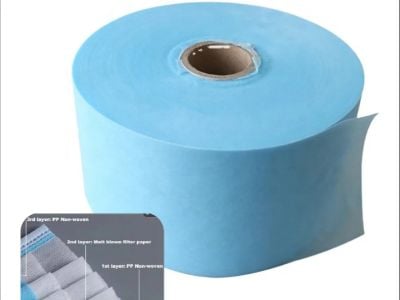
PP non-woven fabric is a type of material made from polypropylene, which is a kind of plastic. It is used in many products like bags, masks, and even diapers. The price of PP non-woven fabric can change for many reasons. Knowing these reasons can help businesses and buyers make better choices when they want to buy this material. The company Xingdi is a trusted name in the industry, providing quality PP non-woven fabrics at competitive prices. Let's dive deeper into what affects the prices and where to find good suppliers.
What Drives the PP Non Woven Price Trend in the Global Wholesale Market?
The price of PP non-woven fabric is influenced by several factors. First, the cost of raw materials plays a big role. If the price of polypropylene goes up, the cost of making non-woven fabric also rises. This can happen due to changes in oil prices since polypropylene is made from oil. Another factor is the demand for PP non-woven products. For example, during events like natural disasters or health crises, the need for face masks and medical supplies increases, which can drive prices up. Additionally, the production capacity can affect prices. If many factories are making PP non-woven fabric, prices may be lower because there is more supply. But if there are factory shutdowns or less production, prices can go up. Transportation costs also matter. If it costs more to ship the fabric from one place to another, that added cost can show up in the price. Finally, government policies and trade agreements can influence pricing by either increasing costs through tariffs or lowering SSSS Nonwoven Fabric For Pet Pads through trade deals. Keeping an eye on these factors can help buyers understand the price changes in the market.
Where to Find Reliable Suppliers for Competitive PP Non Woven Pricing?
Finding reliable suppliers for PP non-woven fabric can be tricky but is very important for getting good prices. One great way to start is by attending trade shows. These events often have many manufacturers and suppliers under one roof. It's a perfect chance to meet them, see their products, and ask questions. Online platforms are also useful. Websites that focus on B2B (business to business) connections allow buyers to browse and compare different suppliers easily. Xingdi, for example, has a strong online presence and showcases their products and prices, making it easier for buyers to find what they need. It’s also a good idea to ask for recommendations from others in the industry. SMMS Nonwoven Fabric For Protective Clothing can share their experiences and suggest reliable suppliers. When looking at suppliers, it's important to check their reputation. Reading reviews and asking for references can help ensure you are dealing with a trustworthy company. Additionally, consider suppliers that offer good customer service. If you have questions or issues, it’s helpful to work with someone who is responsive and willing to help. By using these methods, finding competitive prices for PP non-woven fabric becomes easier and more reliable.
How Does Global Demand Affect PP Non Woven Market Prices?
The price of PP non woven fabrics can change based on how much people want to buy them. When more people and companies need these fabrics, the price usually goes up. This is because there is more demand for the products made from PP non woven, like bags, masks, and medical supplies. When the demand is high, factories work hard to make more fabrics. However, if there are not enough materials or workers available, hydrophilic non woven can make production slower, and this can raise prices even more.
On the other hand, if fewer people want to buy PP non woven fabrics, the prices can go down. For example, if a lot of companies suddenly decide to use different kinds of materials, the demand for PP non woven will drop. When that happens, factories may have extra fabrics they cannot sell. To get rid of their extra stock, they might lower prices to attract more buyers. This push and pull between supply and demand is like a see-saw. When one side goes up, the other goes down.
Xingdi always keeps an eye on these changes in demand. By understanding how many people want to buy PP non woven fabrics, we can adjust our prices and make sure we stay competitive. We want to offer the best prices to our customers while still making enough profit to keep our business strong. So, it’s important to watch the market and see how global events, like changes in health needs or environmental rules, can change demand and prices.
What Are the Most Popular Applications for PP Non Woven Fabrics?
PP non woven fabrics are used in many different ways. One of the most common uses is in making bags. Many stores now use PP non woven bags instead of plastic bags. These bags are strong, lightweight, and can be reused, which makes them better for the environment. People can use them for shopping or carrying other things.
Another important use of PP non woven fabrics is in the medical field. Hospitals use these fabrics to make masks, gowns, and other protective clothing. During health emergencies, like the COVID-19 pandemic, the demand for these items went up a lot. This showed how important PP non woven fabrics are for keeping people safe and healthy.
PP non woven fabrics are also used in home products. For example, they can be found in bed sheets, cleaning cloths, and even diapers. These fabrics are soft and comfortable, which is why they are popular for items that touch our skin. They can also be made to have special features like being water-resistant or having extra strength.
At Xingdi, we focus on creating high-quality PP non woven fabrics that can be used in all these different areas. By knowing what products are popular, we can make sure we produce what people need. This helps us grow our business and serve our customers better.
How to Leverage Market Insights for Better PP Non Woven Sourcing?
To be successful in buying PP non woven fabrics, it’s important to understand the market. Market insights are bits of information that tell us what is happening with prices, demand, and trends. By using these insights, we can make smart decisions about where and when to buy our materials.
One way to gather market insights is by following news about the economy and industry. For example, if there is a report that says more people are buying eco-friendly products, this could mean an increase in demand for PP non woven bags. Knowing this, Xingdi can decide to increase production before prices go up.
Another way to gather insights is by talking to suppliers and customers. Suppliers can inform us about changes in production costs or availability of materials. Customers can tell us what products they need the most. This communication is very important for making sure we have the right materials at the right time.
Additionally, attending trade shows and industry events can provide valuable information. At these events, we can see what new products are being made and what technologies are being used. This helps us stay ahead of the competition and find better ways to source our PP non woven fabrics.
By leveraging these market insights, Xingdi can make better sourcing decisions. This means we can buy our materials at the best prices and provide high-quality products to our customers. Understanding the market is key to our success and helps us grow in the PP non woven industry.
Table of Contents
- What Drives the PP Non Woven Price Trend in the Global Wholesale Market?
- Where to Find Reliable Suppliers for Competitive PP Non Woven Pricing?
- How Does Global Demand Affect PP Non Woven Market Prices?
- What Are the Most Popular Applications for PP Non Woven Fabrics?
- How to Leverage Market Insights for Better PP Non Woven Sourcing?