 EN
EN
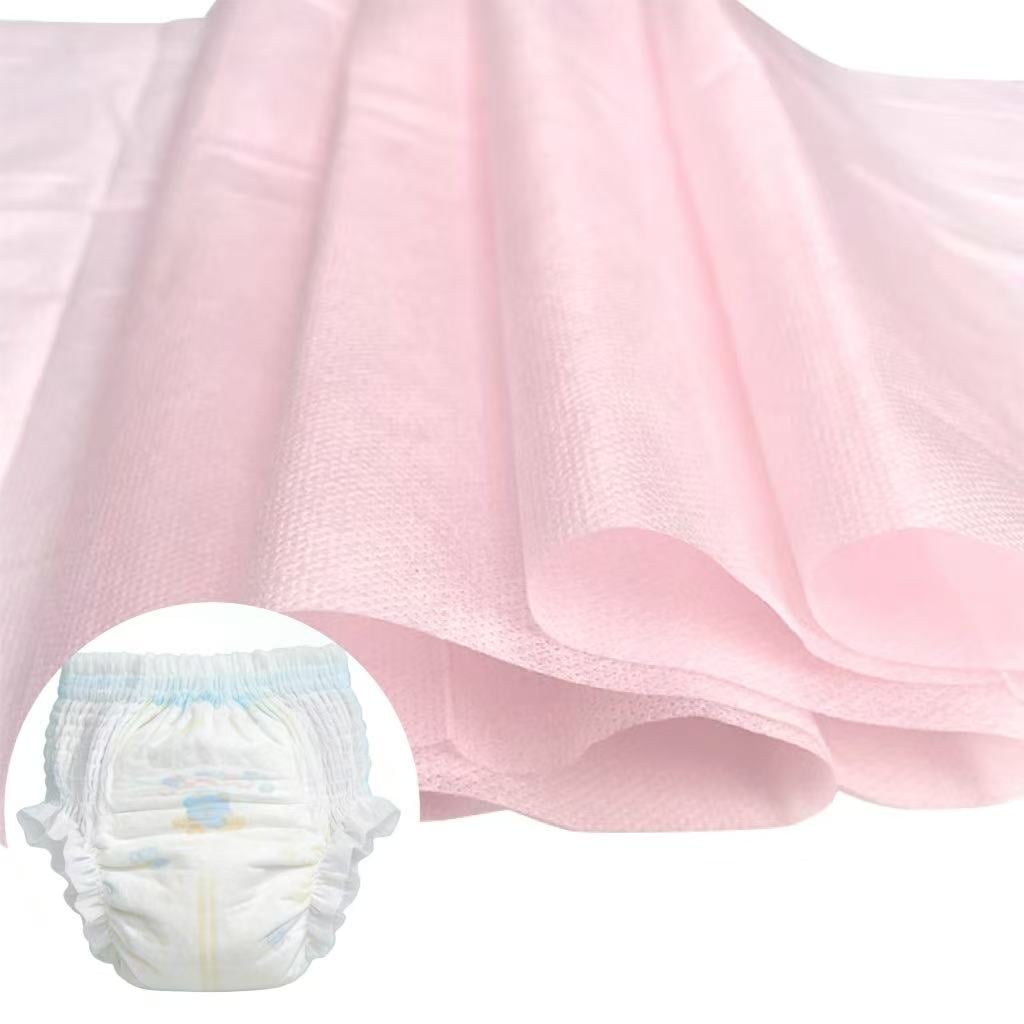
What to Look For When Buying A Hydrophilic Non-Woven Fabric?
When it comes to choosing hydrophilic non-woven fabric, it’s important to know what makes a fabric premium. The term "hydrophilic" means that the fabric can absorb water and moisture. This quality is very useful in many industries, from medical supplies to hygiene products. At Xingdi, we focus on creating high-quality hydrophilic non-woven fabrics that meet the needs of our customers. But how can you identify the best pp spunbond nonwoven fabric? This article will help you learn how to spot premium hydrophilic non-woven fabric and what to watch out for when buying in bulk.
To tell the difference between standard and premium hydrophilic non-woven fabric, you need to look at a few key features. First, check the texture. A premium fabric should feel soft and smooth, almost like a gentle touch on your skin. If it feels rough or scratchy, it might be standard quality. Next, look for thickness. Premium fabrics are usually thicker and denser, which means they can hold more moisture without falling apart. You can also check the absorbency. A simple test is to drop a few drops of water on the fabric. If it soaks up quickly and doesn’t leave beads of water on top, it’s likely a high-quality option. Additionally, consider the fabric's durability. Premium hydrophilic non-woven fabric should withstand washing and not lose its properties after multiple uses. Lastly, always ask for certifications. Fabrics that meet certain health and safety standards are more likely to be premium quality. At Xingdi, we ensure that our products are tested and certified for the best performance.
When buying hydrophilic non-woven fabric in bulk, there are common issues that you should be aware of.
One of the biggest problems is inconsistency. Sometimes, a supplier might send you a batch that looks good but behaves differently than what you expected. This can happen if the manufacturing process isn’t controlled properly. Always ask for samples before making a large order. Another issue is hidden costs. Some suppliers might offer a low price but charge extra for shipping or other fees later on. Make sure to read the fine print and understand the total cost. Quality control is also vital. If you’re buying from a new supplier, ask how they ensure that every roll of fabric meets the same quality standards. Lastly, don't forget about the return policy. It’s important to know if you can return the fabric if it does not meet your expectations. At Xingdi, we prioritize transparency and quality, so you can trust that you’re getting exactly what you pay for.
When looking for hydrophilic non-woven fabric, it’s important to find reliable suppliers.
Reliable suppliers can give you good quality fabric that meets your needs. First, check if the supplier has a good reputation. You can do this by reading reviews online or asking people you trust. If many people say good things about the supplier, that’s a good sign. Next, look for suppliers that have been in business for a long time. Experienced suppliers like Xingdi usually know what they are doing and can provide better quality products. You can also ask if they have certifications. Certifications show that the fabric meets certain standards. This is important for making sure the fabric is safe and works well. Additionally, it’s a good idea to ask for samples. A sample can help you see and feel the fabric before you buy a lot of it. If the supplier is willing to provide samples, it’s a good sign that they care about their customers and the quality of their fabric. Finally, good communication is key. A reliable hydrophilic nonwoven fabric supplier will answer your questions and help you understand their products. If you feel comfortable talking to them, it’s likely a good choice. By following these steps, you can find a trustworthy supplier for hydrophilic non-woven fabric, like Xingdi, ensuring that you get the best products for your needs.
Choosing hydrophilic non-woven fabric for your products has many benefits.
One of the biggest advantages is that this type of fabric can absorb moisture. This makes it perfect for products like diapers, wipes, and medical items where keeping things dry is important. Because the fabric absorbs moisture, it helps keep the skin dry and comfortable. Another great benefit is that hydrophilic non-woven fabric is soft. This softness is especially important for products that will be used on the skin. It reduces the chances of irritation or discomfort. Also, this fabric is lightweight, which makes it easy to carry and use in different products. Many companies, including Xingdi, use hydrophilic non-woven fabric because it is strong and durable as well. This means that the fabric can hold up well over time, making it a good choice for both everyday use and special applications. Moreover, hydrophilic non-woven fabric is often made from eco-friendly materials. This means it can be a better choice for the environment, especially compared to other types of fabric. As people become more aware of environmental issues, choosing eco-friendly products is more important than ever. With all these benefits, it’s easy to see why hydrophilic non-woven fabric is a popular choice for many products.
When you get hydrophilic non-woven fabric, it’s also important to assess its performance for different uses.
You want to make sure that the fabric works well for what you need it for. One way to do this is to look at the fabric’s absorbency. This means how much liquid it can hold. For products like baby wipes, you want a fabric that can soak up a lot of moisture. You can test this by pouring some water on the fabric and seeing how quickly it absorbs. Another thing to check is the fabric’s strength. You want to make sure it doesn’t tear easily. You can do this by pulling on the fabric to see if it holds up. A strong fabric will last longer and perform better, which is important for many products. It’s also good to look at how the fabric feels. If it’s soft and pleasant to touch, it will be more comfortable for users. You can also evaluate how the fabric behaves when it’s wet. Does it stay soft, or does it become rough? Finally, consider how the fabric can be used in different products. If it works well in several applications, that’s a big plus. Xingdi’s hydrophilic non-woven fabric is designed to meet high standards, making it suitable for many uses. By carefully assessing these qualities, you can choose the best hydrophilic non woven fabric for your needs.
Table of Contents
- What to Look For When Buying A Hydrophilic Non-Woven Fabric?
- When buying hydrophilic non-woven fabric in bulk, there are common issues that you should be aware of.
- When looking for hydrophilic non-woven fabric, it’s important to find reliable suppliers.
- Choosing hydrophilic non-woven fabric for your products has many benefits.
- When you get hydrophilic non-woven fabric, it’s also important to assess its performance for different uses.