
 EN
EN
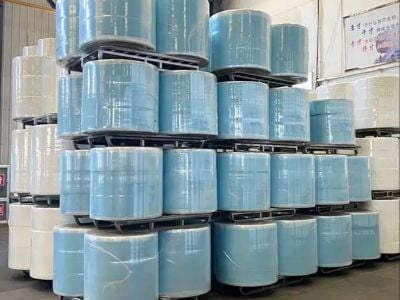
Non-woven fabrics are materials made by bonding fibers together rather than weaving or knitting them like traditional textiles. Among the most common types are spunbond, meltblown, and SMS non-woven fabrics. Each offers unique characteristics and is designed for specific applications. At Xingdi, we specialize in manufacturing high-quality non-woven fabrics and understand the importance of selecting the right material for your project. Whether you need fabric for medical products, household goods, or industrial applications, understanding the differences between these materials will help you make an informed decision
What Are the Key Differences Between Spunbond, Meltblown, and SMS Non-Woven Fabrics
Spunbond non-woven fabric is produced by spinning continuous fibers into a web and then bonding them together. This manufacturing process creates a lightweight yet strong and durable material. Spunbond fabric is commonly used in shopping bags, protective clothing, agricultural covers, furniture, packaging, and filtration products. Its excellent strength and tear resistance make it suitable for applications that require durability. Meltblown non-woven fabric is manufactured by melting polymer materials and blowing them into extremely fine fibers. This process produces a soft, lightweight fabric with excellent filtration performance. Because of its fine fiber structure, meltblown fabric effectively captures tiny particles while maintaining good breathability. It is widely used in face masks, medical gowns, air filters, and other healthcare products that require high filtration efficiency. SMS non-woven fabric combines the advantages of both spunbond and meltblown materials. It consists of three layers: a spunbond outer layer, a meltblown middle layer, and another spunbond outer layer. This structure provides excellent strength, durability, breathability, and filtration performance. As a result, SMS fabric is widely used in medical, healthcare, hygiene, and industrial protective applications where both protection and comfort are essential
What to Know Before Choosing the Right Non-Woven Fabric
When selecting between spunbond, meltblown, and SMS non-woven fabrics and SSSS Nonwoven Fabric For Pet Pads, it is important to consider your intended application. If you need a durable material for reusable shopping bags, agricultural covers, furniture, or construction products, spunbond fabric is an excellent choice due to its strength and long service life. If filtration performance is your primary concern, meltblown fabric offers outstanding protection against fine particles, bacteria, and airborne contaminants. Its soft texture also makes it comfortable for products worn close to the skin, such as face masks and medical protective equipment. If your application requires both durability and filtration, SMS non-woven fabric provides the ideal solution. It combines the structural strength of spunbond fabric with the superior filtering capabilities of meltblown fabric, making it one of the most widely used materials in hospitals, laboratories, and industrial workplaces. At Xingdi, we understand that choosing the right material can sometimes be challenging. Our experienced team is always available to answer questions and recommend the most suitable non-woven fabric for your specific requirements. Whether you need materials for medical masks, protective clothing, shopping bags, or industrial products, we can help you find the right solution
What Makes SMS Non-Woven Fabric Stand Out in the Wholesale Market
SMS non-woven fabric and SSSS SMMS Nonwoven Fabric For Baby Diapers has become one of the most popular materials in the wholesale market because it combines three functional layers into a single high-performance product. The two outer spunbond layers provide excellent mechanical strength, while the middle meltblown layer delivers outstanding filtration efficiency. This unique combination makes SMS fabric highly suitable for medical gowns, surgical drapes, protective coveralls, face masks, hygiene products, and industrial protective equipment. Wholesale buyers value SMS non-woven fabric because it offers exceptional performance at a competitive cost. It is lightweight, making transportation and storage more economical while maintaining excellent durability throughout its service life. Another important advantage is breathability. Despite its protective properties, SMS fabric allows air to circulate, improving comfort for users who wear protective garments for extended periods. SMS fabric is also water-resistant, helping protect against liquid splashes, light moisture, and contaminants. This feature makes it particularly valuable in hospitals, clinics, laboratories, and cleanroom environments. In addition, SMS non-woven fabric is available in various colors, weights, and specifications to meet different customer requirements. Xingdi proudly supplies premium-quality SMS non-woven fabrics that combine reliability, performance, and affordability for wholesale customers worldwide
How Meltblown Non-Woven Fabrics Enhance Product Quality in Various Applications
Meltblown non-woven fabrics are manufactured using a specialized process that melts polymer materials and extrudes them through extremely fine nozzles. High-speed hot air stretches the fibers into microscopic strands, which are collected to form a soft, highly efficient filtration material. One of the greatest advantages of meltblown fabric is its exceptional ability to capture tiny particles. This makes it an essential material in medical face masks, respirators, air purification systems, HVAC filters, and industrial filtration equipment. In healthcare applications, meltblown fabric improves product performance by filtering bacteria, viruses, dust, and airborne contaminants, helping protect both healthcare professionals and patients. Beyond medical applications, meltblown fabric is also widely used in baby diapers, feminine hygiene products, absorbent materials, oil absorbents, and insulation products because of its excellent moisture management and lightweight properties. Manufacturers can produce meltblown fabrics in different thicknesses and densities to suit various applications. Thicker materials provide enhanced filtration performance, while lighter versions offer greater flexibility and breathability. At Xingdi, we manufacture high-quality meltblown non-woven fabrics that help customers produce reliable, safe, and high-performance products across multiple industries
Where to Find the Best Deals on Spunbond and Meltblown Non-Woven Fabrics
If you are searching for high-quality spunbond and meltblown non-woven fabrics at competitive prices, several sourcing options are available. Online suppliers and specialized B2B marketplaces offer a convenient way to compare products, specifications, pricing, and supplier capabilities. These platforms allow buyers to evaluate multiple manufacturers before making purchasing decisions. Working with manufacturers that specialize in non-woven fabrics is often the best approach. Specialized suppliers generally provide broader product selections, better technical support, and more competitive pricing than general textile distributors. Customer reviews and testimonials can also provide valuable insight into product quality, delivery performance, and customer service. Xingdi is committed to supplying premium spunbond, meltblown, and SMS non-woven fabrics and SMMS Nonwoven Fabric For Protective Clothing at highly competitive wholesale prices. We prioritize product consistency, reliable delivery, and excellent customer support to help our clients succeed. Businesses purchasing in large quantities should always inquire about bulk pricing and volume discounts. Many manufacturers, including Xingdi, offer customized pricing for wholesale orders. It is also worthwhile to monitor seasonal promotions and special offers, which can provide additional cost savings. By researching suppliers carefully, comparing pricing, reviewing customer feedback, and partnering with experienced manufacturers like Xingdi, businesses can source high-quality non-woven fabrics that deliver excellent value and reliable performance.
Table of Contents
- What Are the Key Differences Between Spunbond, Meltblown, and SMS Non-Woven Fabrics
- What to Know Before Choosing the Right Non-Woven Fabric
- What Makes SMS Non-Woven Fabric Stand Out in the Wholesale Market
- How Meltblown Non-Woven Fabrics Enhance Product Quality in Various Applications
- Where to Find the Best Deals on Spunbond and Meltblown Non-Woven Fabrics